

Saving money when your income is limited can feel overwhelming, especially when the cost of living continues to rise across the US and Europe. Many people believe that saving is only possible for those with high-paying jobs, but that’s simply not true.
The reality is that you can save money fast on a low income by applying the right financial strategies, building strong habits, and making intentional decisions with your money.
This guide is designed to help you take control of your finances step by step, even if you’re starting with very little.
Table of Contents
🧠 💡 Understand the Psychology of Saving Money
Before diving into tactics, it’s important to understand that saving money is not just about numbers—it’s about mindset and behavior.
🔹 🧠 Shift Your Financial Mindset
- 💭 Think “progress,” not perfection:
Saving money on a low income requires a mindset shift where you stop aiming for perfection and start focusing on progress. Even saving a few dollars regularly builds confidence and discipline over time. Many people fail because they believe small savings don’t matter, but consistency is far more powerful than occasional large efforts. When you begin to value small wins, your financial behavior naturally improves. This mindset reduces stress and makes saving feel achievable instead of overwhelming. - 🎯 Set realistic expectations:
Expecting to save large amounts quickly can lead to frustration and burnout. Instead, align your expectations with your income level and current expenses. Realistic goals help you stay consistent and motivated over time. Financial growth is a gradual process, and understanding this helps you avoid giving up early. By setting achievable targets, you create a sustainable path toward long-term savings success.
📊 📉 Track Your Expenses with Precision
Understanding where your money goes is the foundation of saving money fast.
🔹 📊 Track Every Dollar You Spend
- 🧾 Create full financial awareness:
Tracking every expense allows you to see exactly how your money is being used each day. Most people underestimate their spending, especially on small purchases like snacks, subscriptions, or impulse buys. When you track your spending consistently, patterns begin to emerge, showing where money is being wasted. This awareness alone can lead to immediate improvements in your financial habits. It helps you make smarter decisions and prioritize what truly matters. - 🔍 Identify hidden spending leaks:
Many small expenses go unnoticed but add up significantly over time. These include unused subscriptions, frequent takeout meals, or daily convenience purchases. Once identified, these leaks can be reduced or eliminated entirely. Fixing these areas can free up a surprising amount of money without drastically changing your lifestyle. This step is one of the fastest ways to start saving money immediately.

✂️ 💸 Cut Expenses Without Sacrificing Quality of Life
Reducing expenses doesn’t mean living uncomfortably—it means spending wisely.
🔹 🏠 Reduce Fixed Living Costs
- 🏡 Optimize housing expenses:
Housing is typically the largest expense in any budget, so even small adjustments here can make a big impact. Consider options like sharing rent, negotiating lease terms, or relocating to a more affordable area if possible. These changes might feel significant, but they can dramatically reduce monthly financial pressure. Lower housing costs free up money for savings and essential needs, creating more stability in your financial life.
🔹 🍔 Control Food Spending
- 🍳 Adopt smart meal planning:
Food expenses can quickly spiral out of control without planning. Preparing meals at home instead of eating out can cut costs significantly. Meal planning also reduces food waste and helps you stick to a grocery budget. Over time, this habit not only saves money but also improves health and reduces stress. Cooking at home becomes easier and more efficient with practice.

🔹 📱 Eliminate Unnecessary Subscriptions
- 📺 Cut recurring expenses:
Subscription services often go unnoticed because they are automatic. Reviewing and canceling unused or unnecessary subscriptions can instantly free up extra cash. Keeping only essential services ensures that your money is being used intentionally. This step requires minimal effort but provides immediate financial benefits.
🛒 🧠 Spend Smarter, Not Less
Saving money is not only about cutting expenses but also about making better spending decisions.
🔹 🛍️ Shop Strategically
- 🧠 Use intentional buying habits:
Shopping with a plan helps you avoid impulse purchases and overspending. Creating a list before shopping ensures that you only buy what you truly need. Comparing prices and looking for deals can also significantly reduce costs. Over time, these habits lead to smarter financial decisions and better money management.
💳 🚫 Avoid Debt and Reduce Financial Burden
Debt can prevent you from saving effectively.
🔹 💳 Manage Debt Wisely
- 📉 Focus on high-interest debt first:
High-interest debt, such as credit cards, can quickly grow and become overwhelming. Prioritizing these debts reduces the amount of money lost to interest payments. Paying off debt creates more financial freedom and allows you to redirect money toward savings. This strategy is essential for long-term financial stability.
⚡ 💰 Use Fast-Track Saving Techniques
If you want to save money quickly, you need focused strategies.
🔹 🚫 Try a No-Spend Challenge
- 🛑 Reset your spending habits:
A no-spend challenge involves limiting your spending to essentials only for a set period. This approach helps you break unnecessary spending habits and become more mindful of your purchases. It also allows you to save a significant amount of money in a short time. Many people find this method highly effective for jump-starting their savings journey.

💵 🏦 Pay Yourself First
🔹 💰 Prioritize Saving
- 🏦 Make saving automatic:
Instead of saving what’s left at the end of the month, set aside money as soon as you receive your income. This ensures that saving becomes a priority rather than an afterthought. Even small amounts add up over time and build a strong financial foundation.
📈 💼 Increase Your Income Strategically
Saving becomes easier when you increase your earnings, even slightly.
🔹 💼 Build Side Income Streams
- 💻 Explore flexible earning options:
Side income opportunities such as freelancing, part-time work, or online gigs can provide additional financial support. Even a small extra income can significantly boost your savings over time. Diversifying your income sources also reduces financial risk and increases stability.
🚨 🛡️ Build an Emergency Fund
🔹 🏦 Create Financial Security
- 🚨 Prepare for unexpected expenses:
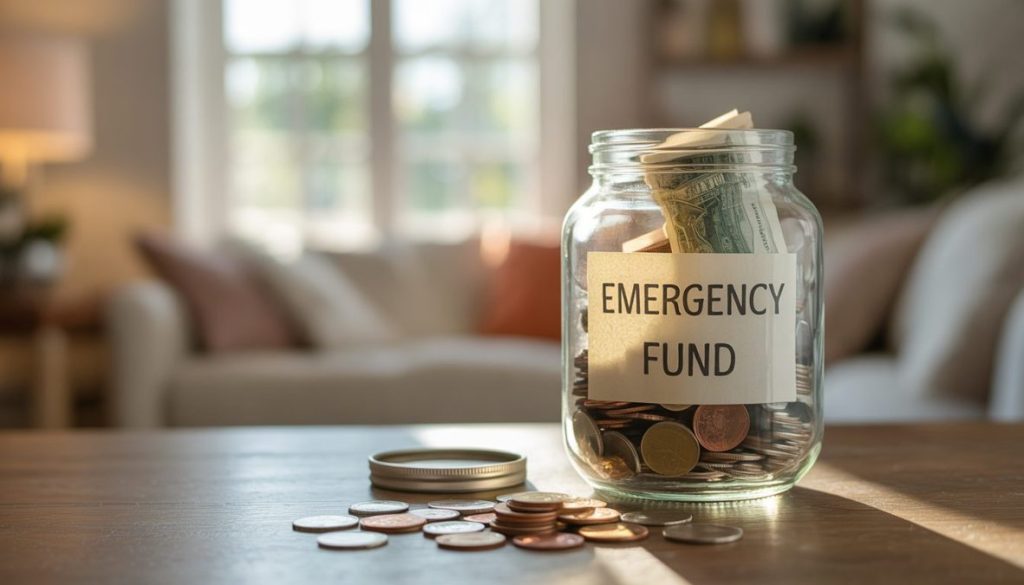
An emergency fund protects you from financial setbacks such as medical bills or job loss. Starting with small savings goals makes the process manageable. Over time, this fund provides peace of mind and prevents reliance on debt.
🧩 📅 Set Clear Financial Goals
🔹 🎯 Define Your Saving Targets
- 📊 Stay motivated with clear goals:
Setting specific financial goals gives your savings a purpose. Whether it’s building an emergency fund or paying off debt, having a target keeps you focused. Goals provide direction and make it easier to measure progress.
🧠 🔄 Control Impulse Spending
🔹 ⏳ Practice Delayed Gratification
- 🛑 Pause before purchasing:
Waiting before making non-essential purchases helps you avoid unnecessary spending. This habit reduces impulse buying and encourages thoughtful decision-making. Over time, it strengthens your financial discipline.
🧹 💸 Sell Unused Items
🔹 📦 Turn Clutter into Cash
- 💰 Generate quick extra money:
Selling items you no longer need is an easy way to boost your savings. This not only creates additional income but also helps declutter your living space. Many people are surprised by how much value unused items hold.
🌟 🧾 Conclusion
Saving money fast on a low income is not about drastic sacrifices—it’s about making smarter choices, building consistent habits, and staying disciplined. By tracking your spending, reducing unnecessary expenses, and increasing your income where possible, you can gradually build financial stability.
The key is to start small, stay consistent, and remain focused on your goals. Over time, your efforts will compound into meaningful financial progress.
❓ 📌 FAQs
❓ How can I save money fast on a low income?
You can save money quickly by tracking expenses, cutting unnecessary costs, avoiding debt, and prioritizing savings. Consistency and discipline are key.
❓ What is the best budgeting method for low income?
A simple budgeting method like the adjusted 70/20/10 rule works well, where most income covers needs while a portion is allocated to savings.
❓ Can I save money if I live paycheck to paycheck?
Yes, even small amounts can be saved by reducing expenses and improving spending habits. Starting small is better than not saving at all.
❓ How much should I save each month?
Aim to save at least 5–10% of your income, but any amount is beneficial. The goal is consistency rather than a fixed number.
❓ What is the fastest way to build an emergency fund?
Cut unnecessary expenses, increase income through side work, and use strategies like no-spend challenges to accelerate savings.


3 thoughts on “How to Save Money Fast on a Low Income (Complete 2026 Guide)”
Comments are closed.