
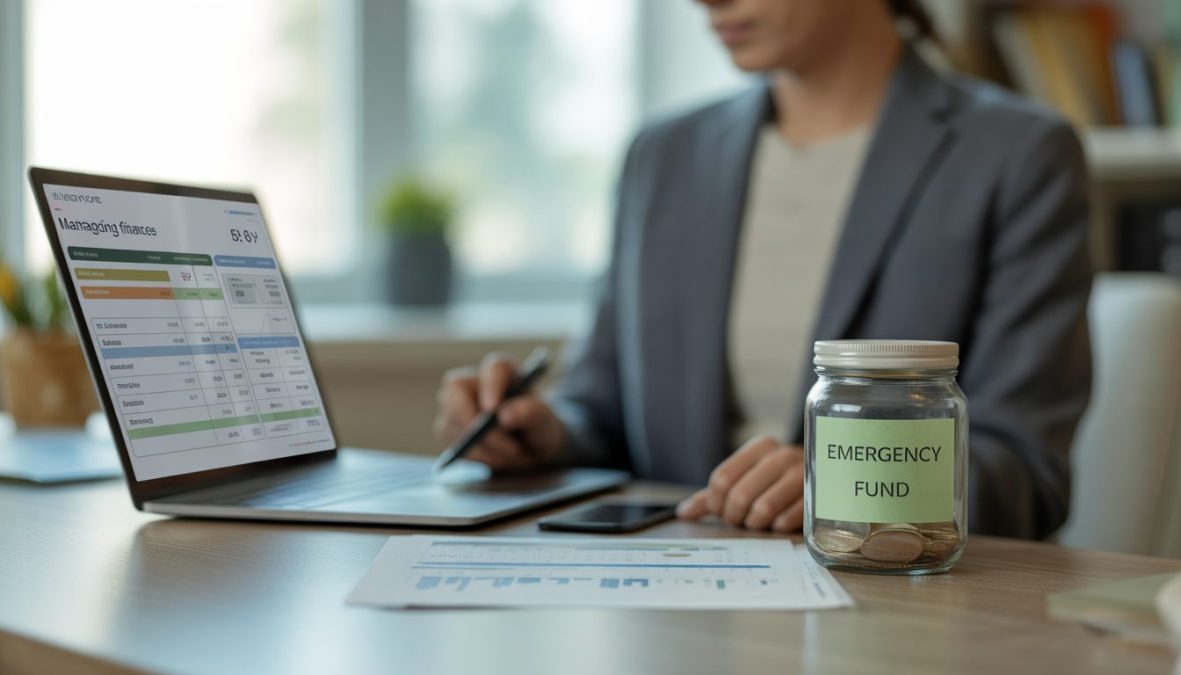
🛡️ Emergency Fund: Your Ultimate Financial Safety Net
Unexpected expenses can disrupt even the most carefully planned budgets. Whether it’s a job loss, medical emergency, or urgent home repair, having an emergency fund ensures you stay financially stable during difficult times.
Table of Contents
📊 What Is an Emergency Fund?
An emergency fund is a dedicated savings reserve used only for unexpected financial situations. It acts as a buffer between you and financial stress.
🚨 What Counts as a Real Emergency?
✅ ✔️ Job Loss or Income Reduction:
Losing a job or facing reduced income can immediately impact your ability to cover basic expenses. An emergency fund ensures you can continue paying rent, buying groceries, and managing bills without panic. It gives you breathing room to search for a new job without rushing into a poor decision. Financial experts emphasize that job loss is one of the most critical reasons to maintain a strong safety net. Without savings, many people rely on credit cards or loans, which can lead to long-term debt. Having this fund allows you to maintain stability and dignity during uncertain times.
🏥 ✔️ Medical Emergencies:
Healthcare costs in the U.S. and parts of Europe can be extremely high. Even with insurance, out-of-pocket expenses can be overwhelming. An emergency fund helps cover hospital bills, medications, or urgent treatments without financial strain. It ensures that health decisions are not delayed due to lack of money. Medical emergencies often come without warning, making preparation essential. Having funds available can reduce stress and allow you to focus on recovery rather than finances. This is one of the strongest arguments for building an emergency fund early.
🚗 ✔️ Car Repairs or Transportation Issues:
For many people, a car is essential for daily life, especially in the U.S. where public transport may be limited. A sudden breakdown can disrupt work and income. Emergency savings allow you to fix the issue immediately without borrowing money. Delaying repairs can worsen the problem and increase costs. Reliable transportation is directly linked to job security and productivity. Having funds ready ensures you stay on track without financial setbacks. It’s a practical and necessary reason to maintain savings.
🏠 ✔️ Urgent Home Repairs:
Homeownership comes with unexpected responsibilities. A leaking roof, broken heating system, or plumbing issue can require immediate attention. These problems cannot be delayed and often come with high costs. An emergency fund ensures your living conditions remain safe and comfortable. Ignoring such repairs can lead to bigger, more expensive damage. Having savings gives you control and prevents financial stress. It’s essential for maintaining your home’s value and your quality of life.
❌ What Is NOT an Emergency?
📱 ❌ Upgrading Gadgets:
Buying the latest smartphone or upgrading devices is a want, not a need. These purchases are planned and should come from a separate savings category. Using your emergency fund for such expenses defeats its purpose. It reduces your financial protection when a real crisis occurs. Discipline is key to maintaining your fund. Prioritize needs over wants to ensure long-term stability.
✈️ ❌ Vacations and Travel:
Travel is important for relaxation but should always be planned and budgeted. Using emergency funds for vacations can leave you vulnerable to real financial shocks. It’s better to create a separate travel fund. This ensures you enjoy trips without compromising your security. Financial planning is about balance and priorities. Keep your emergency fund strictly for emergencies.
💡 Why an Emergency Fund Is Essential
🛡️ ✔️ Financial Security:
An emergency fund acts as your personal insurance against unexpected financial shocks and provides financial protection during emergencies. It protects you from falling into debt and gives you control over your finances. With savings in place, you can handle crises without disrupting your lifestyle. Financial security is not about how much you earn but how prepared you are. This fund creates stability and confidence. It allows you to plan for the future without fear. Ultimately, it forms the foundation of a healthy financial life.
💳 ✔️ Avoiding Debt:
Without savings, people often rely on credit cards or loans during emergencies. These come with high interest rates and can quickly spiral into long-term debt. An emergency fund eliminates the need for borrowing. It helps you stay financially independent and avoid unnecessary interest payments. Debt can limit your financial growth and opportunities. Having cash reserves keeps you in control. It’s one of the smartest ways to protect your financial future.

😌 ✔️ Peace of Mind:
Money-related stress is one of the biggest causes of anxiety. Knowing you have a financial cushion reduces worry and improves mental well-being. You can focus better on work, family, and personal goals. Peace of mind is a powerful benefit that often gets overlooked. It allows you to make rational decisions instead of emotional ones. Financial stability leads to overall life satisfaction. This is why an emergency fund is more than just money—it’s security.
📏 How Much Emergency Fund Do You Need?
📊 ✔️ 3–6 Months of Expenses:
Financial experts recommend saving at least three to six months’ worth of essential expenses. This includes rent, food, utilities, insurance, and transportation. The goal is to maintain your lifestyle during a financial disruption. For stable jobs, three months may be enough. For freelancers or uncertain income, six months or more is safer. This range provides flexibility and protection. It’s a realistic and widely accepted benchmark.
👨👩👧 ✔️ Adjust Based on Lifestyle:
Your personal situation plays a major role in determining how much you need. Families with dependents should aim for higher savings. Individuals with stable income may need less. Health conditions, job market stability, and living costs all matter. Customizing your emergency fund ensures it meets your needs. There is no one-size-fits-all solution. The key is to assess your risks and plan accordingly.
🪜 Step-by-Step Guide to Building an Emergency Fund
🚀 ✔️ Start Small:
Many people delay saving because they think they need a large amount. Starting small builds momentum and confidence. Even saving $10 or $20 regularly can grow over time. Small wins create positive financial habits. The key is consistency, not size. Over time, these contributions add up significantly. Starting early gives you a major advantage.

📉 ✔️ Track Your Expenses:
Understanding your spending habits is crucial for saving money. Tracking expenses helps identify unnecessary costs. It gives you clarity on where your money goes each month. This awareness allows you to make smarter decisions. Budgeting becomes easier when you know your numbers. It also helps set realistic savings goals. Financial awareness is the first step toward improvement.
✂️ ✔️ Cut Unnecessary Spending:
Reducing non-essential expenses frees up money for savings. This includes dining out, subscriptions, and impulse purchases. Small changes can have a big impact over time. Cutting costs doesn’t mean sacrificing happiness—it means prioritizing wisely. Redirecting this money into your emergency fund accelerates growth. Smart spending leads to financial freedom. It’s about making intentional choices.
💰 ✔️ Automate Savings:
Automation removes the need for discipline and ensures consistency. Setting up automatic transfers makes saving effortless. Treat it like a mandatory bill you pay yourself. This method reduces the temptation to spend. Over time, it builds a strong savings habit. Automation is one of the most effective financial strategies. It simplifies the entire process.
📈 ✔️ Increase Your Income:
Boosting income can speed up your savings journey. This can include freelancing, side jobs, or selling unused items. Extra income should be directed toward your emergency fund. Diversifying income sources also reduces financial risk. It provides additional security in uncertain times. Increasing earnings gives you more flexibility. It’s a powerful way to achieve financial goals faster.
🏦 Where to Keep Your Emergency Fund
🏦 ✔️ High-Yield Savings Account:
A high-yield savings account offers better interest rates while keeping your money accessible. It ensures your funds grow slightly without risk. Accessibility is key during emergencies. This option balances safety and returns. It’s ideal for most people building an emergency fund. Keeping money separate also prevents accidental spending. It’s a practical and secure choice.

⚠️ ❌ Avoid Risky Investments:
Stocks, crypto, and long-term investments are not suitable for emergency funds. Their value can fluctuate, making them unreliable in urgent situations. Liquidity is essential—you need quick access to cash. Risky assets can lose value when you need them most. Emergency funds should prioritize safety over growth. Keeping funds stable ensures reliability. This is a critical rule in financial planning.
⚠️ Common Mistakes to Avoid
❌ ✔️ Using Funds for Non-Emergencies:
Using your emergency fund for unnecessary expenses weakens your financial safety net. It reduces your ability to handle real crises. Discipline is essential to maintain its purpose. Always evaluate whether an expense is truly urgent. Protecting your fund ensures long-term stability. It’s about staying committed to your goals.
❌ ✔️ Not Rebuilding After Use:
After using your emergency fund, rebuilding it should be a priority. Many people neglect this step and remain financially vulnerable. Consistency is key to maintaining protection. Treat rebuilding as an urgent financial goal. This ensures you’re prepared for future emergencies. Financial planning is an ongoing process.
🧾 Conclusion
Building an emergency fund is one of the most important financial decisions you can make. It provides security, reduces stress, and protects you from debt. Whether you start with $10 or $1,000, the key is consistency and discipline.
In today’s uncertain economy, having a financial safety net is not optional—it’s essential.
❓ FAQs
❓ How much should I keep in an emergency fund?
Most experts recommend saving 3–6 months of essential expenses, depending on your financial situation and job stability.
❓ Where should I store my emergency fund?
A high-yield savings account is the best option because it is safe, accessible, and earns some interest.
❓ Can I invest my emergency fund?
No, emergency funds should not be invested in risky assets like stocks or crypto because you need immediate access.
❓ How long does it take to build an emergency fund?
It depends on your income and savings rate. With consistent saving, it can take a few months to a few years.
❓ What is the difference between savings and an emergency fund?
Savings are for planned expenses, while an emergency fund is strictly for unexpected financial situations.

