
🧭 Introduction
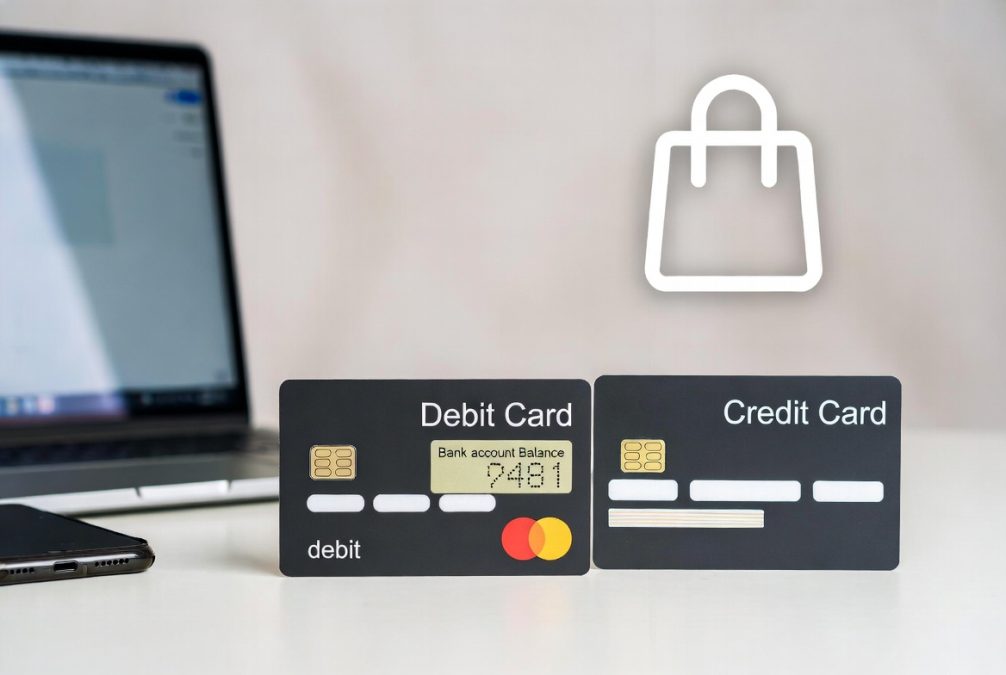
In today’s digital-first financial world, payment cards have become an essential part of everyday life across the United States and Europe. Whether you’re paying for groceries, booking flights, subscribing to online services, or shopping on eCommerce platforms, debit and credit cards dominate how transactions are made.
However, despite their widespread use, many people still don’t fully understand the key differences between debit cards and credit cards. This lack of understanding can lead to poor financial decisions, unnecessary fees, or even long-term debt.
Table of Contents
🏦 What is a Debit Card?
🔹 Definition
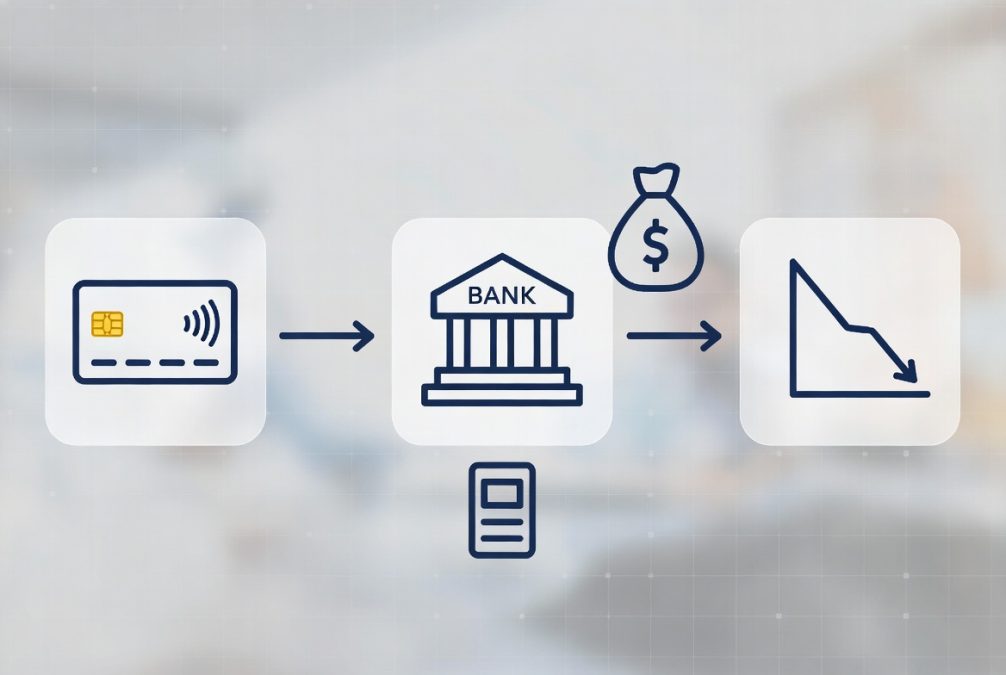
A debit card is a payment card directly linked to your bank account. When you make a purchase, the money is immediately deducted from your available balance.
⚙️ How Debit Cards Work
When you use a debit card:
- The transaction is authorized by your bank
- Funds are instantly deducted from your account
- You can only spend what you already have
✅ Advantages of Debit Cards
💰 No Debt Risk:
A debit card ensures that you only spend money you already own, which eliminates the possibility of falling into debt. This makes it an excellent financial tool for individuals who want to maintain strict control over their finances. Since there is no borrowing involved, users are not exposed to interest charges or repayment pressure. This feature is especially beneficial for students, beginners, or anyone trying to build disciplined spending habits. Additionally, it promotes a cash-like spending behavior in a digital environment, which helps reduce impulsive purchases. Over time, this can contribute to better financial stability and reduced stress related to money management.
📊 Better Budget Control:
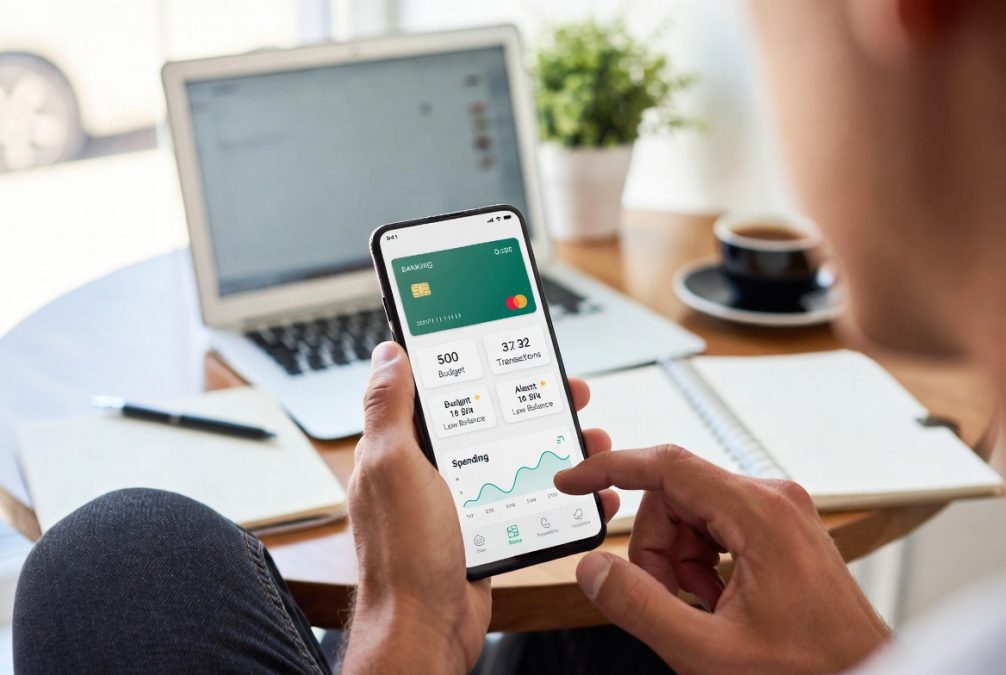
Debit cards naturally support budgeting because they limit spending to your available balance. Every transaction directly impacts your account, making it easier to track expenses in real time. This transparency helps users stay within their financial limits and avoid overspending. Many banks also provide mobile apps with spending insights, categorized expenses, and alerts, further improving financial awareness. For individuals following strict monthly budgets, debit cards act as a built-in control system. This makes them ideal for managing daily expenses such as groceries, transportation, and utility payments without exceeding financial boundaries.
💸 No Interest Charges:
Unlike credit cards, debit cards do not involve borrowing money, which means there are no interest charges on transactions. This makes them a cost-effective option for everyday spending. Users don’t have to worry about accumulating interest over time or dealing with complex billing cycles. This simplicity is particularly beneficial for those who want to avoid financial complications. Additionally, it removes the risk of paying significantly more than the original purchase amount due to interest. Over time, this can result in substantial savings and a more predictable financial routine.

🏧 Easy Cash Access:
Debit cards provide seamless access to cash through ATMs, making them highly convenient for everyday use. Whether you’re traveling or handling emergencies, you can withdraw funds instantly from your bank account. This eliminates the need to carry large amounts of physical cash. In many countries across the US and Europe, ATM networks are widely accessible, ensuring users can access their money anytime. Additionally, some retailers offer cashback options during purchases, further enhancing convenience. This feature makes debit cards a practical and flexible financial tool.
❌ Disadvantages of Debit Cards
⚠️ Limited Fraud Protection:
Debit cards generally offer less protection against fraud compared to credit cards. If unauthorized transactions occur, the stolen funds are directly deducted from your bank account. This can temporarily disrupt your finances while the issue is being investigated. Although banks do provide security measures and dispute resolution, the recovery process can take time. During this period, users may face difficulties accessing their funds. This makes it crucial to monitor transactions regularly and use secure payment methods when possible.
🎁 Fewer Rewards:
Most debit cards do not offer significant rewards, cashback, or travel benefits. Unlike credit cards, which often provide incentives for spending, debit cards focus more on basic functionality. This means users miss out on opportunities to earn points, discounts, or perks. For frequent shoppers or travelers, this can be a disadvantage. While some banks have started introducing limited reward programs, they are generally not as competitive as those offered by credit cards. As a result, users may not maximize the value of their spending.
💳 What is a Credit Card?
🔹 Definition
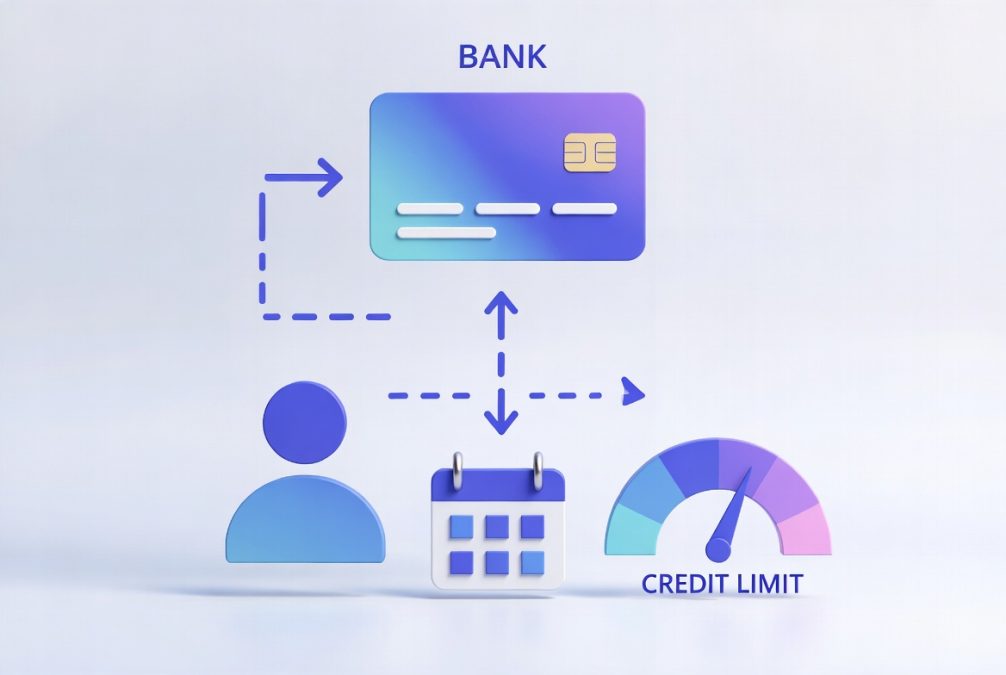
A credit card allows you to borrow money from a financial institution up to a certain limit to make purchases or pay bills.
⚙️ How Credit Cards Work
- You use the bank’s money instead of your own
- You receive a monthly statement
- You must repay the balance (full or partial)
- Interest applies if not paid in full
✅ Advantages of Credit Cards
🏆 Rewards and Cashback:
Credit cards often come with reward programs that allow users to earn points, cashback, or travel benefits on every purchase. These rewards can be redeemed for flights, hotel stays, gift cards, or statement credits. For frequent users, this creates significant value over time. Some cards also offer bonus categories like dining, groceries, or fuel, increasing earning potential. This makes credit cards a powerful tool for maximizing everyday spending. When used strategically, rewards can offset costs and provide financial advantages that debit cards cannot match.
📈 Builds Credit Score:
Using a credit card responsibly helps build and improve your credit score, which is essential for financial growth in the US and Europe. Timely payments, low credit utilization, and consistent usage contribute positively to your credit profile. A strong credit score increases your chances of getting approved for loans, mortgages, and better interest rates. It also enhances financial credibility. Over time, this can open doors to more opportunities and financial flexibility. Debit cards, in contrast, do not impact your credit history at all.
🛡️ Strong Fraud Protection:
Credit cards offer superior protection against unauthorized transactions. If fraud occurs, users can dispute charges without losing their own money immediately. Most banks have zero-liability policies, ensuring that customers are not held responsible for fraudulent activities. This added layer of security makes credit cards safer for online shopping and international transactions. Additionally, advanced monitoring systems detect suspicious activity in real time, providing peace of mind. This makes credit cards a preferred choice for secure payments.
🌍 Emergency Financial Backup:
Credit cards act as a financial safety net during emergencies. Whether it’s an unexpected medical expense, urgent travel, or sudden repair, a credit card provides immediate access to funds. This flexibility can be crucial in situations where cash is not readily available. It eliminates the need for borrowing from friends or taking high-interest loans. However, it is important to manage repayments responsibly to avoid debt. When used wisely, this feature adds significant financial security.
❌ Disadvantages of Credit Cards
💣 High Interest Rates:
Credit cards often come with high interest rates, especially if the balance is not paid in full. Over time, interest can accumulate rapidly, turning small purchases into large debts. This can create financial stress and long-term obligations. Users must be disciplined and pay their bills on time to avoid these charges. Understanding interest terms and billing cycles is essential for effective usage.

⚡ Risk of Overspending:
Since credit cards allow borrowing, users may be tempted to spend beyond their means. This can lead to financial mismanagement and debt accumulation. Without proper budgeting, it becomes easy to lose track of expenses. Over time, this behavior can negatively impact financial health and credit score. Responsible usage is key to avoiding this risk.
⚖️ Debit Card vs Credit Card – Core Differences
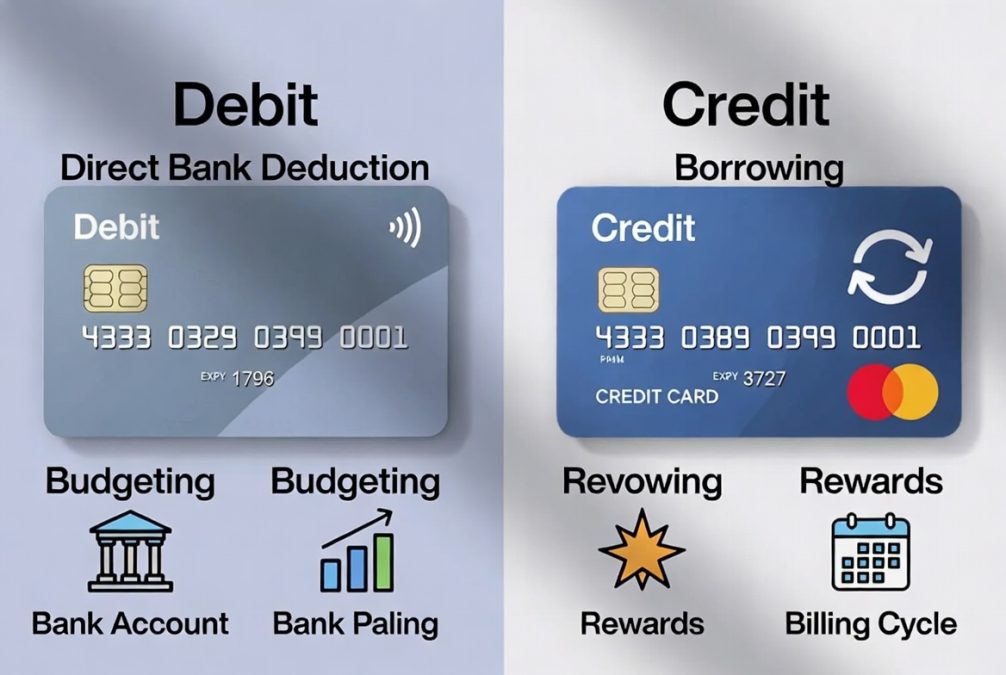
🔑 Key Comparison
- 💵 Source of Funds: Debit uses your money, Credit uses borrowed money
- 📊 Spending Limit: Debit depends on balance, Credit depends on limit
- 💸 Interest: Debit has none, Credit may charge interest
- 📈 Credit Score: Debit doesn’t affect, Credit builds history
- 🎁 Rewards: Debit limited, Credit offers benefits
🎯 When Should You Use Each Card?
🟢 Use Debit Card When:
- Managing daily expenses
- Avoiding debt
- Sticking to a strict budget
🔵 Use Credit Card When:
- Booking travel
- Shopping online
- Building credit
- Earning rewards
🧠 Smart Financial Strategy
The best approach is not choosing one—but using both strategically.
- Use debit for daily controlled spending
- Use credit for rewards and credit building
- Always pay credit card bills in full and on time

🧾 Conclusion
Debit cards and credit cards serve different financial purposes, and understanding their differences is essential for making smart financial decisions. Debit cards provide simplicity, control, and debt-free spending, while credit cards offer flexibility, rewards, and credit-building opportunities.
For individuals in the US and Europe, combining both tools effectively can lead to better financial management and long-term stability. The key is discipline, awareness, and responsible usage.
❓ FAQs
❓ What is the main difference between a debit card and a credit card?
The main difference is that a debit card uses your own money, while a credit card allows you to borrow money from a bank.
❓ Which is safer: debit card or credit card?
Credit cards are generally safer due to stronger fraud protection and dispute policies.
❓ Can a debit card build credit score?
No, debit cards do not affect your credit score. Only credit-based products help build credit history.
❓ Is it better to use a credit card or debit card online?
Credit cards are usually better for online shopping due to enhanced security and fraud protection.
❓ Do credit cards charge interest on every purchase?
No, interest is only charged if you do not pay your full balance by the due date.

