

🧠 Introduction: Manage Your Money Effectively from Day One
Manage your money effectively by building smart financial habits, controlling your expenses, and planning for the future. In today’s fast-paced economy across the United States and Europe, financial success is not just about earning more—it’s about managing what you already have with discipline and strategy.
This complete, SEO-optimized guide will help you understand budgeting, saving, investing, and long-term financial planning so you can achieve financial freedom.
Table of Contents
📊 Step 1: Understand Your Financial Situation Clearly
💵 Know Your Income Sources
- 💼 Salary Income:
Your main income is the backbone of your financial life. When you manage your money effectively, you always calculate your net income instead of gross income. This helps you understand exactly how much money you can spend, save, and invest. Many people overestimate their financial capacity because they ignore taxes and deductions. By focusing on your actual take-home pay, you create realistic budgets and avoid overspending. This clarity improves financial discipline and helps you make smarter decisions. Over time, it builds a strong foundation for wealth creation. - 🧾 Side Income:
Side income plays a crucial role when you aim to manage your money effectively. Whether it’s freelancing, online work, or part-time jobs, extra income should not be wasted. Instead, it should be directed toward savings, investments, or debt repayment. This strategy accelerates your financial growth and reduces dependency on a single income source. It also provides a safety net during economic uncertainty. Over time, consistent side income can significantly improve your financial stability. - 📈 Passive Income:
To truly manage your money effectively, you must develop passive income streams. These include dividends, rental income, or digital assets. Passive income allows your money to work for you without active effort. Even small earnings can grow into substantial wealth through compounding. This approach reduces financial stress and creates long-term security. Building passive income takes time, but it is essential for achieving financial independence.
📌 Track Your Expenses Smartly 📉
- 🧾 Fixed Expenses:
Fixed costs such as rent, mortgage, insurance, and utilities remain consistent each month. These are essential and non-negotiable expenses. Understanding these helps you determine your minimum monthly financial requirement. Reducing fixed costs (like refinancing loans or moving to affordable housing) can greatly improve your financial flexibility. - 🛒 Variable Expenses:
These include groceries, transportation, and daily necessities. While essential, they fluctuate based on lifestyle choices. Tracking these expenses helps you identify areas where you can cut costs without affecting your quality of life. Smart shopping, meal planning, and budgeting can significantly reduce these expenses. - 🎯 Lifestyle Expenses:
Spending on entertainment, dining out, subscriptions, and shopping falls into this category. These are often the biggest sources of overspending. While it’s important to enjoy life, controlling lifestyle expenses is critical for saving money and achieving financial goals.
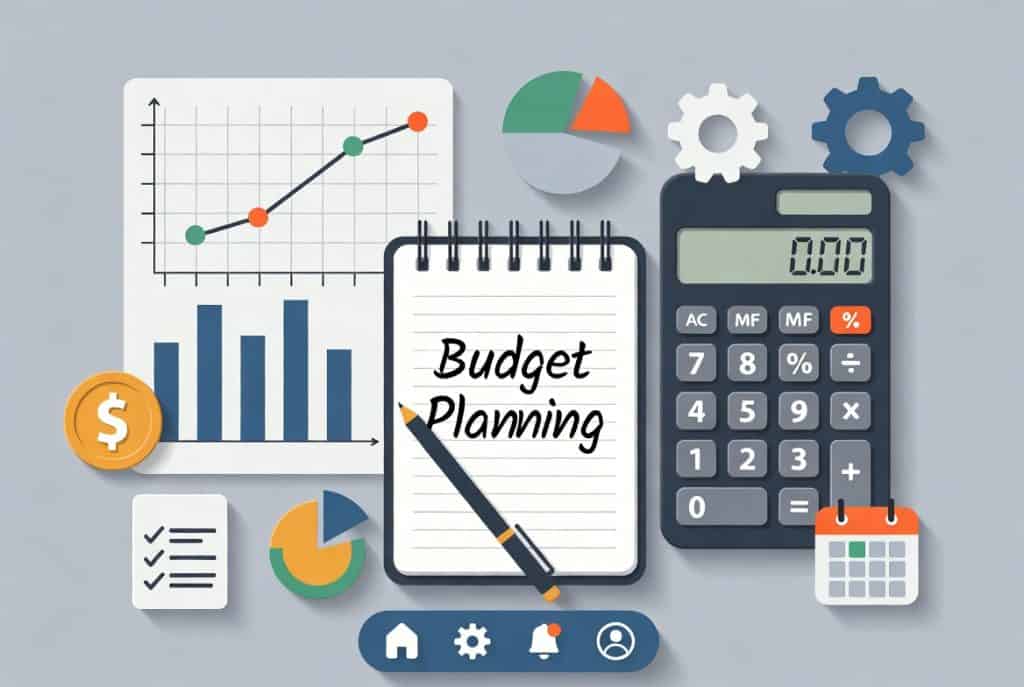
📝 Step 2: Create a Realistic Budget Plan
📊 Follow the 50/30/20 Rule 📌
- 🏠 50% Needs:
This portion covers essential expenses like housing, utilities, groceries, and healthcare. Keeping this category within 50% ensures financial balance. If your needs exceed this percentage, consider downsizing or reducing fixed costs. - 🎉 30% Wants:
This includes entertainment, travel, dining, and hobbies. While these expenses improve quality of life, overspending here can damage financial health. Setting limits helps maintain discipline without sacrificing enjoyment. - 💰 20% Savings & Investments:
This is the most important category for long-term financial growth. Saving and investing consistently builds wealth over time. Automating this portion ensures you prioritize your future before spending.
💡 Step 3: Control Your Spending Habits
⚠️ Avoid Common Spending Mistakes 🚫
- 🛍️ Impulse Buying:
Impulse purchases are often driven by emotions rather than need. These small, frequent expenses add up quickly and disrupt your budget. Practicing the 24-hour rule—waiting before buying—can help eliminate unnecessary spending and improve decision-making. - 💳 Overuse of Credit Cards:
Credit cards provide convenience but can lead to debt if misused. High-interest rates make unpaid balances grow rapidly. Always pay your balance in full each month and avoid using credit for non-essential purchases. - 📦 Ignoring Small Expenses:
Small daily expenses like coffee, snacks, or subscriptions may seem insignificant but accumulate over time. Tracking these costs helps you identify hidden spending patterns and cut unnecessary expenses effectively.
💳 Step 4: Manage Debt Effectively
📌 Smart Debt Management Strategies 🧠
- 🔥 Pay High-Interest Debt First:
Focus on clearing debts with the highest interest rates, such as credit cards. This reduces the total interest paid and helps you become debt-free faster. - 📉 Consolidate Loans:
Combining multiple debts into one loan with a lower interest rate simplifies repayment and reduces financial stress. - 🚫 Avoid New Debt:
Taking on new debt while repaying existing loans can trap you in a cycle of financial instability. Focus on clearing current obligations before borrowing again.
🏦 Step 5: Build a Strong Emergency Fund
💰 Why Emergency Savings Matter 🛡️
- ⚕️ Medical Emergencies:
Unexpected health issues can lead to significant expenses. An emergency fund ensures you can handle these situations without going into debt. - 💼 Job Loss:
Losing a job can disrupt your financial stability. Having 3–6 months of expenses saved provides security while you search for new opportunities. - 🔧 Unexpected Costs:
Car repairs, home maintenance, or urgent travel can arise anytime. An emergency fund protects you from financial shocks.

📈 Step 6: Save Money Consistently
🧾 Smart Saving Techniques 💡
- 🏦 Pay Yourself First:
Always allocate savings before spending. This ensures consistent financial growth. - 🔄 Automate Savings:
Setting up automatic transfers to your savings account removes the temptation to spend and builds discipline. - 🎯 Set Clear Goals:
Having defined savings goals increases motivation and helps track progress effectively.
📊 Step 7: Invest for Long-Term Growth
💼 Investment Strategies 📈
- 📊 Diversification:
Investing in different assets reduces risk and improves returns over time. - ⏳ Long-Term Investing:
Staying invested for the long term allows your money to grow through compounding. - 🧠 Educated Decisions:
Understanding investment options prevents losses and improves financial outcomes.

🧮 Step 8: Set Financial Goals Clearly
🎯 Goal Planning Strategy 📌
- 📅 Short-Term Goals:
These include saving for travel, gadgets, or emergencies. They provide quick wins and motivation. - 🏡 Long-Term Goals:
Buying a house, retirement planning, or education funds require consistent effort and planning. - 📊 Track Progress:
Regularly reviewing your goals ensures you stay on track and make necessary adjustments.
🧾 Step 9: Improve Financial Literacy
📚 Learn Money Skills Continuously 📖
- 📘 Read Finance Books:
Books provide in-depth knowledge about money management and investing strategies. - 🎥 Watch Educational Content:
Online videos simplify complex financial concepts for beginners. - 💡 Stay Updated:
Keeping up with financial trends helps you make better decisions.
🔐 Step 10: Protect Your Financial Future
🛡️ Financial Protection Essentials 🔒
- 🏥 Health Insurance:
Covers medical expenses and protects your savings. - 👨👩👧 Life Insurance:
Provides financial support to your family in case of emergencies. - 🔐 Secure Banking:
Protect your accounts from fraud and cyber threats.
🔄 Step 11: Review and Adjust Regularly
📊 Monthly Financial Review 📌
- 📉 Track Spending:
Ensures you stay within your budget. - 📈 Monitor Savings:
Helps you achieve financial goals faster. - 🔄 Adjust Budget:
Adapting to changes keeps your plan effective.
🚀 Advanced Money Management Strategies
📈 Build Multiple Income Streams 💼
- Freelancing, online businesses, and investments can increase income and reduce financial risk.
💼 Tax Planning 🧾
- Understanding tax systems in the US and Europe helps you save legally and maximize income.
🧠 Financial Discipline 🎯
- Avoid lifestyle inflation and focus on long-term wealth building.
⚠️ Common Mistakes to Avoid
- ❌ No budget planning
- ❌ Living paycheck to paycheck
- ❌ Ignoring savings
- ❌ Delaying investments
- ❌ Poor financial decisions
🏁 Conclusion: Take Control of Your Financial Future
Managing money effectively is not about restriction—it’s about control and freedom. By following these steps, you can build a strong financial foundation, reduce stress, and achieve long-term success.
Start today, stay consistent, and make smart financial decisions.
❓ FAQs (SEO Optimized for Google, Bing, Baidu & Yandex)
❓ What is the best way to manage money effectively?
The best way is to create a budget, track expenses, save consistently, and invest wisely.
❓ How much should I save monthly?
Experts recommend saving at least 20% of your income, but even small amounts help if done consistently.
❓ Why is budgeting important?
Budgeting helps control spending, avoid debt, and achieve financial goals efficiently.
❓ When should I start investing?
You should start investing as early as possible to benefit from long-term growth and compounding.
❓ How can I stop overspending?
Track your expenses, avoid impulse buying, and stick to a well-defined budget.







2 thoughts on “How to Manage Your Money Effectively (Step-by-Step Guide for Financial Success)”