

💡 Introduction: Why You Need a Personal Budget That Actually Works
In today’s fast-paced financial world, simply earning money is not enough. Without a proper system, money slips through your fingers without you even noticing. That’s why creating a personal budget that works is one of the most important financial skills you can develop.
A working budget is not about restriction—it’s about clarity, control, and confidence. Whether you live in the United States, Europe, or anywhere else, the principles of budgeting remain universal.
Table of Contents
🧠 💵 What Is a Personal Budget?
A personal budget is a financial plan that helps you allocate your income toward expenses, savings, and financial goals.
📊 🔍 Key Components of a Budget
🟢 Income Streams:
Your income is the foundation of your budget. It includes your salary, freelance earnings, passive income, or any additional cash flow you receive regularly. Understanding your total net income (after taxes) is critical because it defines your spending capacity. Many people make the mistake of budgeting based on gross income, which leads to overspending. A clear understanding of income ensures realistic planning. It also helps you identify opportunities to increase earnings through side hustles or investments. Without accurate income tracking, your entire budget becomes unreliable. Therefore, always start with precise and consistent income calculations.

🔵 Fixed Expenses:
Fixed expenses are the costs that remain consistent every month, such as rent, mortgage, insurance, or subscriptions. These expenses are predictable, making them easier to plan for in your budget. However, they often consume a large portion of your income, leaving less room for flexibility. Managing fixed expenses involves evaluating whether you can reduce or optimize them—for example, negotiating bills or switching providers. Even small reductions can lead to long-term savings. Understanding fixed costs helps create a stable financial base. It also ensures that essential obligations are always covered first.
Fixed expenses form the backbone of any budget, and guidance from the Consumer Financial Protection Bureau highlights how managing recurring costs improves financial stability.
🟡 Variable Expenses:
Variable expenses fluctuate monthly and include groceries, transportation, and utilities. These are the areas where most people overspend without realizing it. Tracking these expenses carefully can reveal spending patterns and unnecessary costs. By adjusting your habits, such as cooking at home or reducing fuel usage, you can significantly lower these expenses. Variable costs offer flexibility, which means they are the easiest to control. Managing them effectively can free up money for savings or investments. This category plays a major role in shaping your financial discipline.
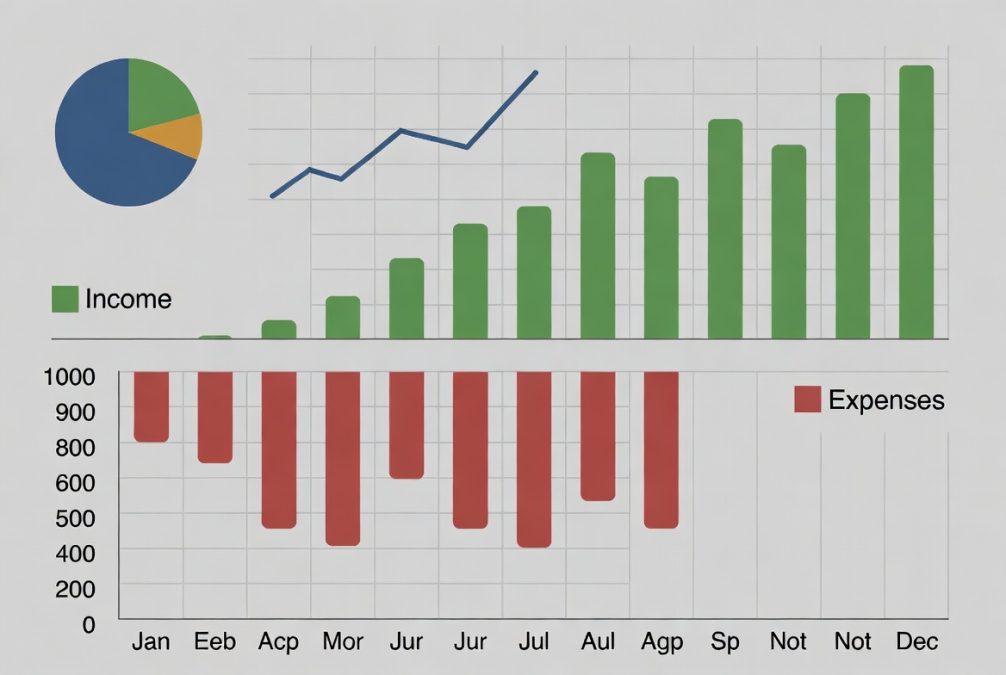
🔴 Savings & Investments:
Savings and investments are essential for long-term financial stability. This includes emergency funds, retirement accounts, and investment portfolios. Many people treat savings as optional, but it should be a priority. Paying yourself first ensures consistent financial growth. Investments help your money grow over time, protecting against inflation. Without savings, unexpected expenses can lead to debt. Building this habit creates financial security and independence. Over time, it allows you to achieve major life goals like buying a home or retiring comfortably.
🏗️ 📈 Step-by-Step: How to Create a Personal Budget That Works
🧾 📊 Step 1: Track Your Spending Habits
🔍 Track Every Dollar:
Tracking every dollar you spend gives you complete visibility into your financial behavior. Most people underestimate how much they spend on small, daily purchases like coffee or online subscriptions. These minor expenses accumulate into significant amounts over time. By recording every transaction, you gain awareness and control. This process helps identify wasteful spending habits. It also builds accountability, making you more conscious of your choices. Over time, tracking becomes a powerful tool for financial discipline. It is the first step toward building a budget that truly works.

💼 📉 Step 2: Categorize Your Expenses
🧩 Divide Into Categories:
Organizing your expenses into categories simplifies your financial analysis. Categories such as housing, food, transportation, and entertainment help you understand where your money is going. This structure allows you to identify which areas consume the most income. It also makes it easier to set spending limits for each category. Categorization improves clarity and helps in making informed decisions. It ensures that essential needs are prioritized over wants. A well-organized budget is easier to maintain and adjust. This step transforms raw data into actionable insights.
🎯 📌 Step 3: Set Realistic Financial Goals
🏁 Define Clear Goals:
Financial goals give your budget a purpose and direction. Without goals, budgeting can feel meaningless and difficult to maintain. Goals can range from short-term savings to long-term investments. Setting clear and realistic targets helps you stay motivated. It also provides a sense of achievement when milestones are reached. Goals should be specific, measurable, and time-bound. This clarity improves focus and discipline. Ultimately, goals turn your budget into a roadmap for financial success.

⚖️ 💰 Step 4: Apply the 50/30/20 Rule
📊 Balance Your Money:
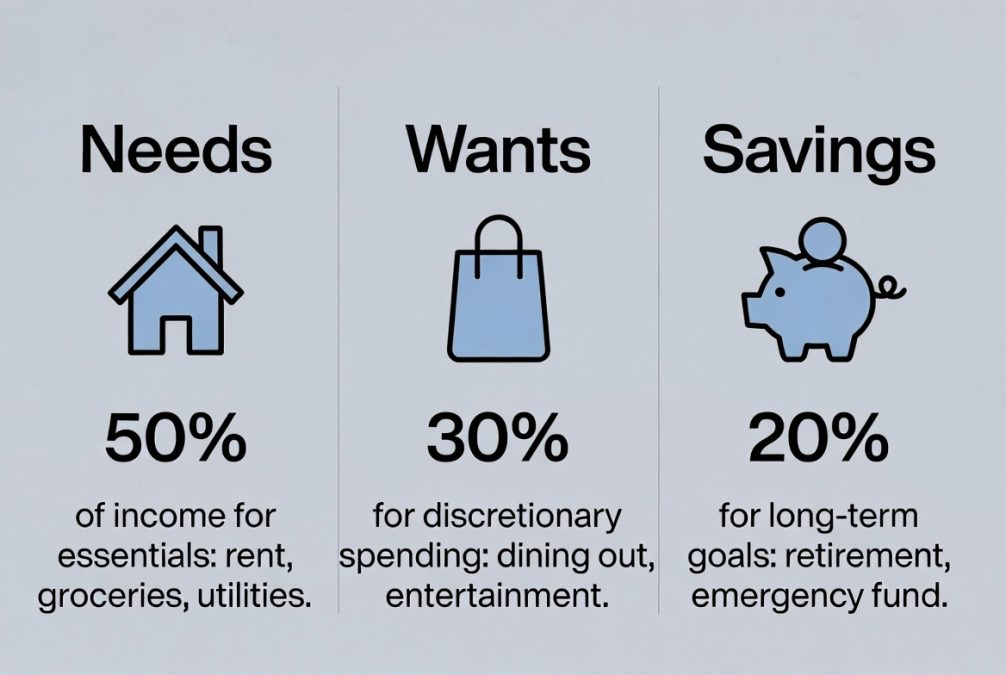
The 50/30/20 rule is a simple yet effective budgeting method. It allocates 50% of income to needs, 30% to wants, and 20% to savings. This structure ensures a balanced approach to spending and saving. It prevents overspending while still allowing room for enjoyment. The rule is flexible and can be adjusted based on individual circumstances. It works well for beginners because of its simplicity. Over time, you can modify the percentages to increase savings. This method provides a strong foundation for financial stability.
💳 📉 Step 5: Reduce Unnecessary Expenses
✂️ Cut Wasteful Spending:
Cutting unnecessary expenses is one of the fastest ways to improve your financial health. This includes canceling unused subscriptions, avoiding impulse purchases, and reducing luxury spending. Many expenses go unnoticed but have a significant impact over time. Identifying and eliminating these costs increases your savings potential. It also helps you focus on what truly matters. Reducing waste does not mean sacrificing happiness—it means spending smarter. This step creates room for financial growth and stability.

🔄 📅 Step 6: Review and Adjust Regularly
🔁 Monthly Budget Review:
A budget is not a one-time plan—it requires regular updates. Monthly reviews help you evaluate your progress and make necessary adjustments. Changes in income, expenses, or goals should be reflected in your budget. Regular reviews keep your plan relevant and effective. They also help identify mistakes or overspending early. Consistency in reviewing builds long-term financial discipline. This habit ensures that your budget continues to work as your life evolves.

🚫 ⚠️ Common Budgeting Mistakes to Avoid
❌ Ignoring Small Expenses:
Small expenses may seem insignificant, but they accumulate quickly over time. Daily purchases like coffee, snacks, or digital subscriptions can add up to hundreds of dollars monthly. Ignoring these costs creates a gap in your budget. Tracking them helps maintain accuracy and control. Awareness of small spending leads to better financial decisions. Eliminating unnecessary small expenses can significantly boost savings. This habit strengthens overall budgeting discipline.
❌ Being Too Restrictive:
An overly strict budget can lead to frustration and burnout. If you eliminate all enjoyment, you are less likely to stick with your plan. A successful budget includes room for entertainment and personal spending. Balance is key to long-term success. Allowing flexibility keeps you motivated. It also prevents binge spending after periods of restriction. A realistic budget supports both financial health and lifestyle satisfaction.
❌ Not Saving Consistently:
Saving inconsistently can delay your financial goals. Many people save only when money is left over, which rarely happens. Treating savings as a fixed expense ensures consistency. Automatic transfers can help build this habit. Regular saving creates a financial safety net. It also enables long-term wealth building. Consistency is more important than the amount saved.
💡 🚀 Advanced Tips for a Budget That Works
📱 Use Budgeting Tools:
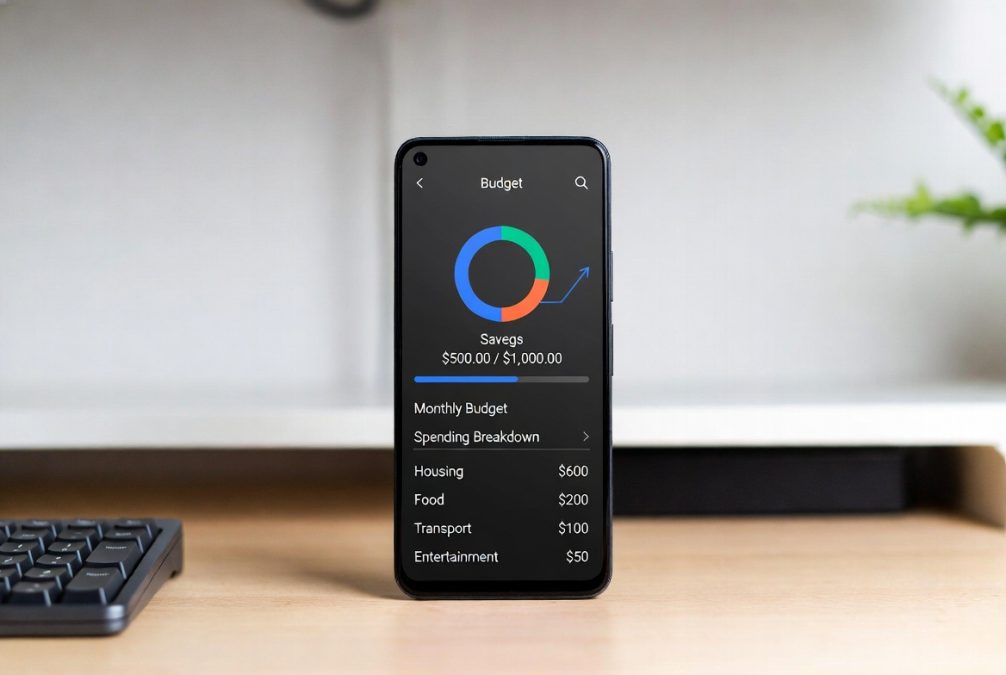
Budgeting tools simplify financial management and improve accuracy. Apps and spreadsheets can automate tracking and categorization. They provide real-time insights into your spending habits. Technology makes budgeting more convenient and efficient. It reduces manual errors and saves time. Using tools also helps visualize your financial progress. This makes it easier to stay committed to your goals.
💰 Automate Your Savings:
Automation removes the temptation to spend money before saving. Setting up automatic transfers ensures consistent contributions to your savings account. This method builds discipline without requiring constant effort. It also helps you prioritize long-term goals. Automation is one of the most effective financial strategies. Over time, it creates a strong savings habit. This approach makes budgeting effortless and reliable.
🏁 📊 Conclusion: Build a Budget That Supports Your Life
Creating a personal budget that works is not about perfection—it’s about consistency and adaptability. A well-structured budget gives you control, reduces stress, and helps you achieve financial freedom.
Start simple, stay consistent, and adjust as needed. Over time, your budget will become a powerful tool for building wealth and achieving your dreams.
❓ 📚 Frequently Asked Questions (FAQs)
❓ What is the best budgeting method for beginners?
The 50/30/20 rule is ideal for beginners because it is simple, flexible, and easy to follow.
❓ How much should I save each month?
A good starting point is saving at least 20% of your income, but even smaller amounts are beneficial if done consistently.
❓ How do I stick to a budget long-term?
Consistency, realistic planning, and regular reviews are key to maintaining a budget over time.
❓ Can budgeting help reduce debt?
Yes, budgeting allows you to allocate funds toward debt repayment while controlling unnecessary spending.
❓ Is budgeting different in the US and Europe?
The core principles remain the same, but living costs, taxes, and financial systems may vary by region.







1 thought on “How to Create a Personal Budget That Works (2026 Complete Guide for Financial Success)”
Comments are closed.