
🌍 Introduction: Best Websites for Online Education in 2026
Best websites for online education have completely changed how people learn, gain skills, and build careers in 2026. These platforms offer free and paid learning opportunities that allow students, professionals, and freelancers in the USA and Europe to study from anywhere in the world.
Online education is no longer just an alternative—it has become a global standard for career growth, skill development, and professional certification.
Table of Contents
🎯 What Are Online Learning Platforms?
Online learning platforms are digital websites or applications that provide structured or flexible educational content. These platforms can include:
- Academic courses
- Professional certifications
- Skill-based training
- Creative learning programs
They are designed to help users gain knowledge, improve skills, and achieve career or personal growth goals.
🏆 Best Free & Paid Online Education Websites
📘 1. Coursera (Free + Paid)
⭐ Key Features:
- 📚 University-Level Courses:
Coursera partners with top universities and organizations, allowing users to access real academic content. This means learners can study subjects like computer science, business, or healthcare with structured lessons similar to traditional college courses. These courses often include video lectures, assignments, and peer-reviewed work, making the experience interactive and academically valuable. It is especially beneficial for learners seeking credibility in their education without attending a physical institution. - 🎓 Professional Certifications:
One of Coursera’s strongest advantages is its industry-recognized certifications. These certificates are often created in collaboration with major companies, making them valuable in the job market. Learners can add these certifications to resumes or LinkedIn profiles, increasing their chances of employment. Many hiring managers in the U.S. and Europe recognize Coursera credentials as proof of skill competency.
- 💼 Career-Focused Learning Paths:
Coursera provides structured learning paths for specific careers such as data analysis, digital marketing, and IT support. These paths guide learners step-by-step, reducing confusion and improving learning efficiency. Instead of randomly choosing courses, users follow a clear roadmap aligned with industry demands, making it easier to transition into new careers. - 💰 Flexible Pricing Model:
Users can access many courses for free in audit mode, which includes lectures but excludes certificates. Paid options unlock full access, graded assignments, and certificates. This flexibility makes Coursera accessible to both beginners and professionals with different budgets.
📗 2. edX (Free + Paid)
⭐ Key Features:
- 🏫 University Partnerships:
edX collaborates with top institutions like Harvard and MIT, ensuring high-quality academic content. These courses are structured similarly to university classes, providing learners with a deeper understanding of subjects. This makes edX ideal for individuals who want a more formal and academically rigorous experience. - 📜 Verified Certificates:
While many courses are free, learners can pay for verified certificates that validate their skills. These certificates hold strong value in professional environments and can enhance job applications. Employers often appreciate candidates who have taken the initiative to complete structured online programs. - 📊 MicroMasters Programs:
edX offers MicroMasters programs that serve as partial credit toward full degrees. These programs are advanced and career-oriented, making them suitable for professionals looking to upgrade their qualifications without committing to a full degree initially. - 🌍 Global Learning Community:
Learners from all over the world use edX, creating a diverse and collaborative environment. Discussion forums and peer interactions help users gain different perspectives, improving the overall learning experience.
📙 3. Khan Academy (100% Free)
⭐ Key Features:
- 🧠 Strong Fundamental Learning:
Khan Academy is widely known for its focus on foundational subjects like math, science, and economics. It simplifies complex concepts into easy-to-understand lessons, making it perfect for beginners and school students. - 🎯 Personalized Learning Dashboard:
The platform tracks progress and adapts to the learner’s pace. This personalized approach ensures that users can focus on weak areas and improve gradually without feeling overwhelmed. - 📺 Interactive Video Lessons:
Each topic is explained through engaging video tutorials. These videos are short, clear, and focused, making it easier for learners to absorb information effectively. - 💡 Completely Free Access:
Unlike many platforms, Khan Academy does not charge for any content. This makes it one of the best options for students who cannot afford paid courses but still want high-quality education.
📕 4. Udemy (Paid)
⭐ Key Features:
- 🛒 One-Time Payment Model:
Udemy allows users to purchase courses once and access them for life. This is highly beneficial for learners who want to revisit content multiple times without paying recurring fees. - 🎯 Wide Course Variety:
With thousands of courses available, users can learn almost anything—from programming to photography. This variety makes Udemy ideal for exploring new skills or hobbies. - 📉 Frequent Discounts:
Udemy regularly offers discounts, making premium courses affordable. This pricing strategy allows learners to access high-quality content at a fraction of the original cost. - 🧑🏫 Instructor-Based Learning:
Courses are created by individual instructors, often industry experts. This provides practical insights and real-world knowledge that may not be available in traditional academic settings.
📘 5. Skillshare (Paid)
⭐ Key Features:
- 🎨 Creative Skill Development:
Skillshare focuses on creative fields such as design, writing, and video editing. These skills are highly востребованы in freelancing and digital careers. - 📂 Project-Based Learning:
Instead of just watching videos, learners complete projects that help them apply their knowledge. This hands-on approach improves skill retention and portfolio development. - 🤝 Community Interaction:
Users can share projects and receive feedback from other learners. This creates a collaborative environment that encourages improvement and creativity. - 🔄 Subscription Access:
Skillshare operates on a subscription model, allowing unlimited access to courses. This is ideal for learners who want to explore multiple skills simultaneously.
📗 6. LinkedIn Learning (Paid)
⭐ Key Features:
- 💼 Career-Oriented Courses:
LinkedIn Learning focuses on business, technology, and leadership skills. These courses are designed to meet the demands of modern workplaces. - 🔗 Profile Integration:
Certificates can be directly added to LinkedIn profiles, increasing visibility to recruiters. This integration provides a competitive advantage in job applications. - ⏱ Short, Practical Lessons:
Courses are broken into short modules, making them easy to complete even with a busy schedule. - 📈 Skill Tracking:
The platform tracks learning progress and suggests courses based on career goals, helping users stay on the right path.
⚖️ Free vs Paid Platforms: Which One Should You Choose?
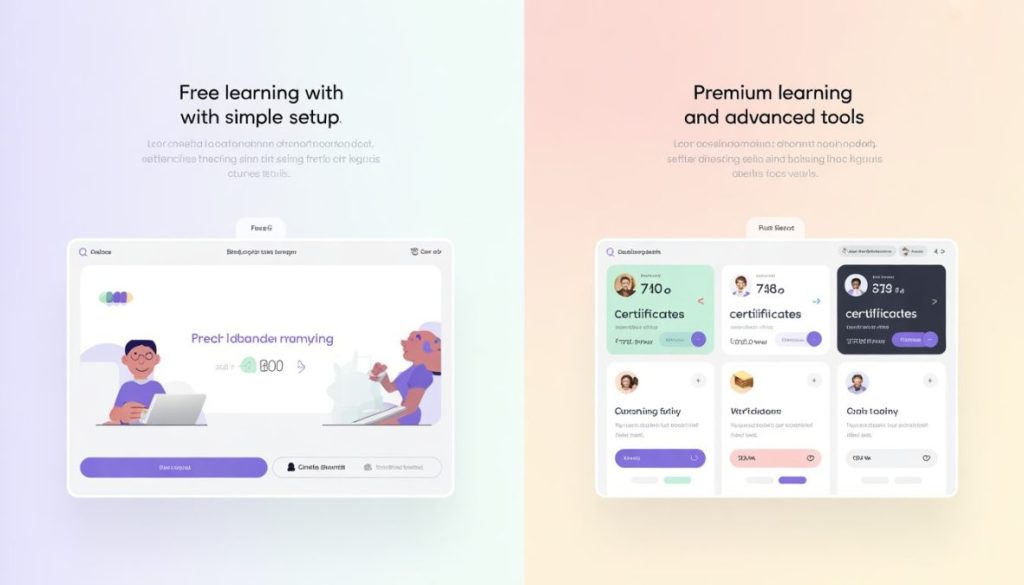
- 🆓 Free Platforms:
Free platforms are ideal for beginners who want to explore new subjects without financial commitment. They provide foundational knowledge and help users understand their interests. However, they may lack advanced features like certifications or career guidance. - 💳 Paid Platforms:
Paid platforms offer structured learning, recognized certifications, and advanced content. They are better suited for professionals who want to enhance their careers or gain industry-recognized skills.

🧠 How to Choose the Best Online Learning Platform
- 🎯 Define Your Goal:
Understanding your objective is crucial. If your goal is career advancement, choose platforms that offer certifications. If you want to learn a hobby, creative platforms may be more suitable. - 💰 Consider Your Budget:
Free platforms are great for starting out, but investing in paid courses can provide better long-term value. - ⏳ Evaluate Your Time Commitment:
Some platforms require consistent effort, while others allow flexible learning. Choose one that fits your schedule. - 📊 Check Course Reviews:
Reading reviews helps you understand course quality and instructor effectiveness before enrolling.
🚀 Benefits of Online Education
- 🌍 Global Access:
Learners can access content from top universities and experts worldwide without geographical limitations. - ⏱ Flexible Learning:
Courses can be completed at your own pace, making it easier to balance education with work or personal life. - 💸 Cost-Effective:
Online education is often more affordable than traditional learning, saving money on tuition and travel. - 📈 Career Growth:
Many platforms offer job-ready skills that improve employability and income potential.

⚠️ Common Mistakes to Avoid
- ❌ Taking Too Many Courses:
Overloading yourself with multiple courses can lead to burnout and incomplete learning. - ❌ Ignoring Practical Application:
Simply watching videos is not enough. Applying knowledge through projects is essential. - ❌ Not Completing Courses:
Incomplete courses provide little value. Focus on finishing what you start.
🔮 Future of Online Learning
The future of online education includes AI-driven personalization, virtual reality classrooms, and skill-based hiring systems. As technology evolves, learning will become more interactive and tailored to individual needs.
🏁 Conclusion
Online education platforms have made learning more accessible, flexible, and career-focused than ever before. Whether you choose free platforms for basic knowledge or paid platforms for professional growth, the key is consistency and application.
👉 The best strategy is simple:
Start with free resources → upgrade to paid certifications → apply skills in real-world scenarios.
❓ FAQs
1. What is the best free online learning platform?
Platforms like Khan Academy and Coursera (free mode) are among the best for beginners.
2. Are online certificates worth it in 2026?
Yes, certificates from platforms like edX and LinkedIn Learning are widely recognized by employers.
3. Which platform is best for earning money online?
Udemy and Skillshare are great for learning freelancing and digital skills.
4. Can I get a job through online courses?
Yes, many learners secure jobs by gaining skills and certifications from reputable platforms.
5. Is online education better than traditional education?
It depends on your goals. Online education offers flexibility and affordability, while traditional education provides structured environments.

