Online Education vs Traditional Education – Which is Better in 2026
🧠 Introduction: The Modern Learning Dilemma
In 2026, education is no longer limited to physical classrooms. The rapid growth of digital technology has transformed how people learn, making online education vs traditional education one of the most searched and debated topics worldwide—especially in the United States and Europe.
Students, professionals, and even businesses are now asking:
👉 Should I choose online learning or stick with traditional classroom education?
📚 What is Online Education? 💻
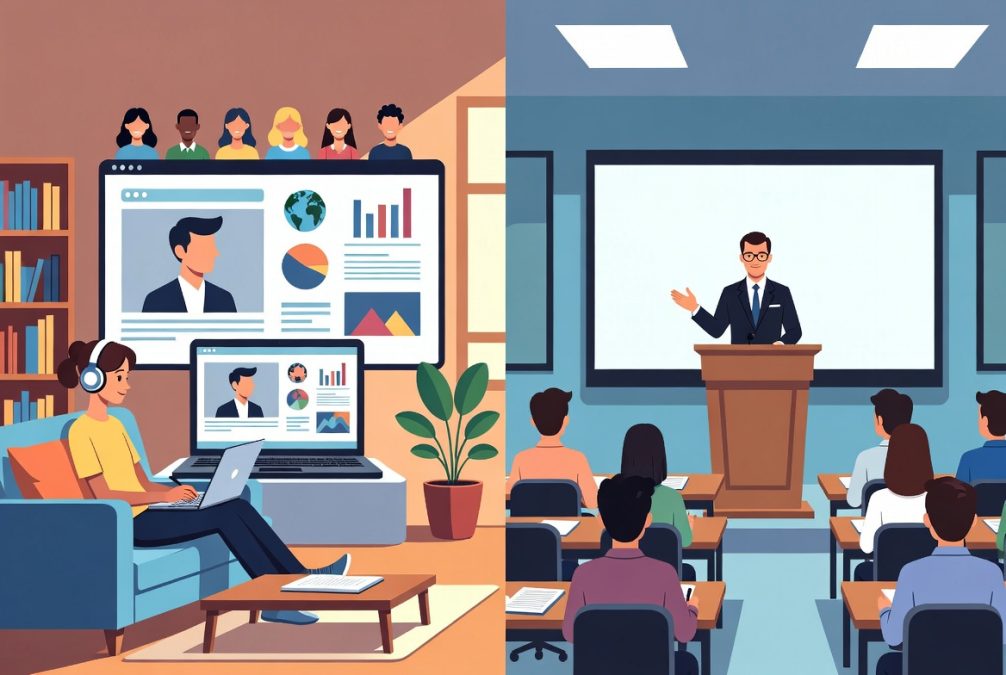
Online education refers to a digital learning system where students access courses, lectures, and study materials through the internet. It includes video-based lessons, live classes, recorded tutorials, and interactive assignments.

🚀 Key Features of Online Education
🔹 Flexibility and Time Freedom:
Online education allows learners to study anytime, anywhere without being tied to a fixed schedule. This flexibility is especially valuable for working professionals, freelancers, and students managing multiple responsibilities. You can learn early in the morning, late at night, or even during travel. Unlike traditional systems, there is no pressure to attend classes at a specific time. This freedom increases productivity and allows individuals to design their own learning routine. It also helps reduce stress caused by strict academic schedules. Overall, flexibility is one of the biggest reasons why online education is growing rapidly in Western countries.
🔹 Cost-Effective Learning:
Online education is significantly more affordable compared to traditional education. Students can avoid expenses such as transportation, accommodation, campus fees, and printed materials. Many courses are available at low prices or even free, making education accessible to a wider audience. This is especially beneficial in the U.S. and Europe, where college tuition fees can be extremely high. Additionally, learners can invest only in specific skills instead of paying for full-degree programs. This targeted learning approach reduces financial burden and increases return on investment. Over time, this affordability makes online education a practical choice for millions of students.
🔹 Global Access to Knowledge:
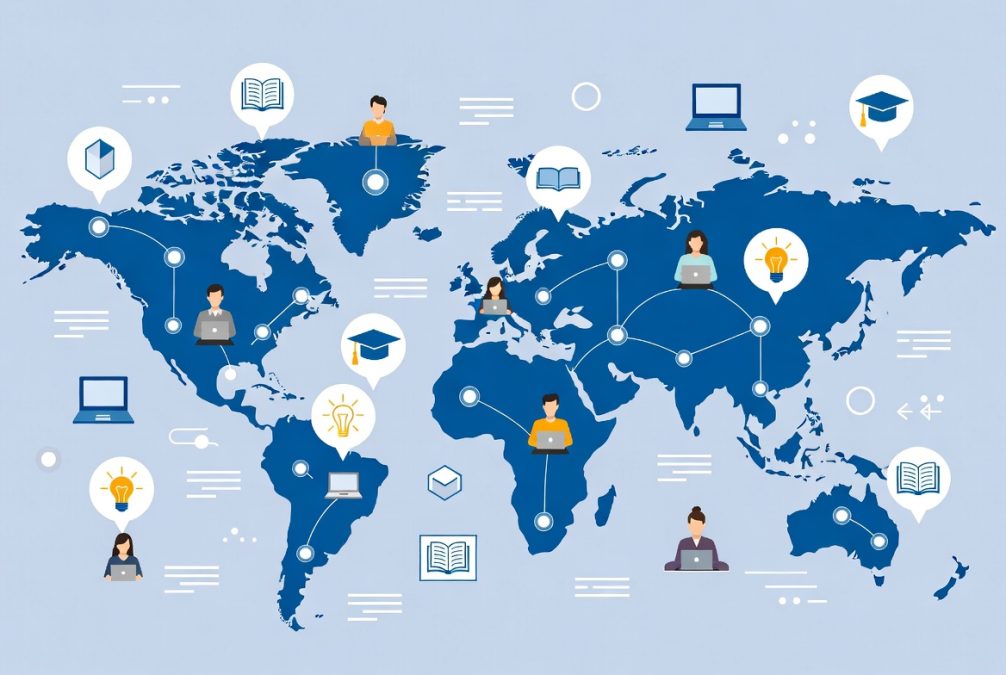
Online education removes geographical barriers, allowing students to learn from instructors and institutions worldwide. Whether you are in New York, London, or a small town, you can access the same quality of education. This global reach enables exposure to diverse teaching styles, cultures, and ideas. It also helps students stay updated with international trends and industry standards. Access to global knowledge improves career opportunities and competitiveness in the job market. In today’s interconnected world, this feature plays a crucial role in professional growth and innovation.
🔹 Self-Paced Learning Experience:
One of the most powerful aspects of online learning is the ability to control your learning speed. Students can pause, rewind, and revisit lessons as many times as needed. This is especially useful for complex topics that require deeper understanding. Unlike traditional classrooms, there is no pressure to keep up with others. Learners can take extra time on difficult subjects and skip what they already know. This personalized approach improves retention and comprehension. It also boosts confidence, as students feel more in control of their education journey.

🔹 Skill-Based and Career-Focused Learning:
Online education focuses heavily on practical skills that are directly applicable in real-world jobs. Courses are designed to teach in-demand skills such as digital marketing, programming, graphic design, and business management. This makes online learning highly relevant for modern careers. Many programs include hands-on projects, case studies, and real-life examples. This practical approach prepares students for immediate job opportunities or freelance work. As industries evolve, online platforms quickly update their content, ensuring learners stay ahead of trends.

⚠️ Disadvantages of Online Education
🔸 Lack of Discipline and Motivation:
Online learning requires strong self-discipline and time management skills. Without a structured environment, many students struggle to stay consistent. Distractions such as social media, entertainment, and home responsibilities can affect productivity. Unlike traditional classrooms, there is no teacher physically present to monitor progress. This can lead to procrastination and incomplete courses. Students must develop personal accountability to succeed in online education. Without it, the flexibility of online learning can become a disadvantage rather than a benefit.
🔸 Limited Social Interaction:
Online education lacks face-to-face communication, which is essential for developing interpersonal skills. Students miss out on classroom discussions, group activities, and networking opportunities. This can impact communication skills and confidence. In traditional settings, students learn teamwork and collaboration naturally. Online platforms try to replicate this through forums and live sessions, but the experience is not the same. For many learners, especially younger students, this lack of interaction can be a major drawback.
🔸 Dependence on Technology:
Online education relies heavily on internet connectivity and digital devices. Technical issues such as slow internet, software problems, or device failures can disrupt learning. Not all students have access to high-speed internet or modern devices, even in developed regions. This creates a digital divide and limits accessibility. Additionally, long screen time can cause eye strain and fatigue. These challenges highlight the importance of reliable technology for effective online learning.
🔸 Recognition and Credibility Issues:
Although online certifications are becoming more accepted, some employers still prefer traditional degrees. Certain professions, such as medicine and law, require formal education and accreditation. Online courses may not always meet these standards. However, this gap is gradually closing as more universities and organizations offer accredited online programs. Still, credibility remains a concern in some industries.
🏫 What is Traditional Education? 🎓
Traditional education is a structured learning system where students attend physical schools, colleges, or universities. It involves face-to-face interaction, fixed schedules, and formal assessments.
🌟 Key Features of Traditional Education
🔹 Direct Interaction with Teachers:
Traditional education provides immediate access to teachers and instructors. Students can ask questions, participate in discussions, and receive instant feedback. This direct interaction improves understanding and engagement. Teachers can also observe student behavior and provide personalized guidance. This human connection plays a crucial role in academic success. It also helps build strong mentor-student relationships, which are often missing in online education.
🔹 Social and Communication Skill Development:
Classroom environments encourage social interaction, teamwork, and collaboration. Students engage in group projects, presentations, and extracurricular activities. These experiences help develop communication skills, leadership qualities, and emotional intelligence. Social learning is essential for personal growth and career success. It prepares students for real-world interactions in workplaces and communities.
🔹 Recognized Degrees and Certifications:
Traditional education offers officially recognized degrees that are widely accepted by employers and institutions. These credentials are often required for professional careers such as healthcare, engineering, and law. Accreditation ensures quality and credibility. In many cases, a traditional degree is still considered a standard requirement for high-level jobs.
🔹 Structured Learning Environment:
Traditional education follows a fixed schedule with organized coursework, exams, and deadlines. This structure helps students stay disciplined and consistent. It reduces the chances of procrastination and ensures steady progress. For many learners, especially younger students, a structured environment is essential for effective learning.
⚠️ Disadvantages of Traditional Education
🔸 High Cost of Education:
Traditional education can be extremely expensive, especially in the U.S. and Europe. Tuition fees, accommodation, transportation, and study materials add significant financial burden. Many students rely on loans, which can take years to repay. This cost factor is one of the biggest challenges in traditional education systems.
🔸 Limited Flexibility:
Students must follow fixed schedules and cannot adjust learning according to their personal needs. Missing a class can result in lost learning opportunities. This rigidity makes it difficult for working individuals or those with other responsibilities.
🔸 Time-Consuming Process:
Traditional education requires daily commuting and long classroom hours. This consumes time and energy that could be used for skill development or work. The overall duration of degree programs is also longer compared to online courses.
🔸 Outdated Curriculum in Some Cases:
Some institutions struggle to keep their curriculum updated with industry trends. This can result in outdated knowledge that is less relevant in modern job markets. In contrast, online platforms update content more frequently.
⚖️ Online Education vs Traditional Education (Detailed Comparison)
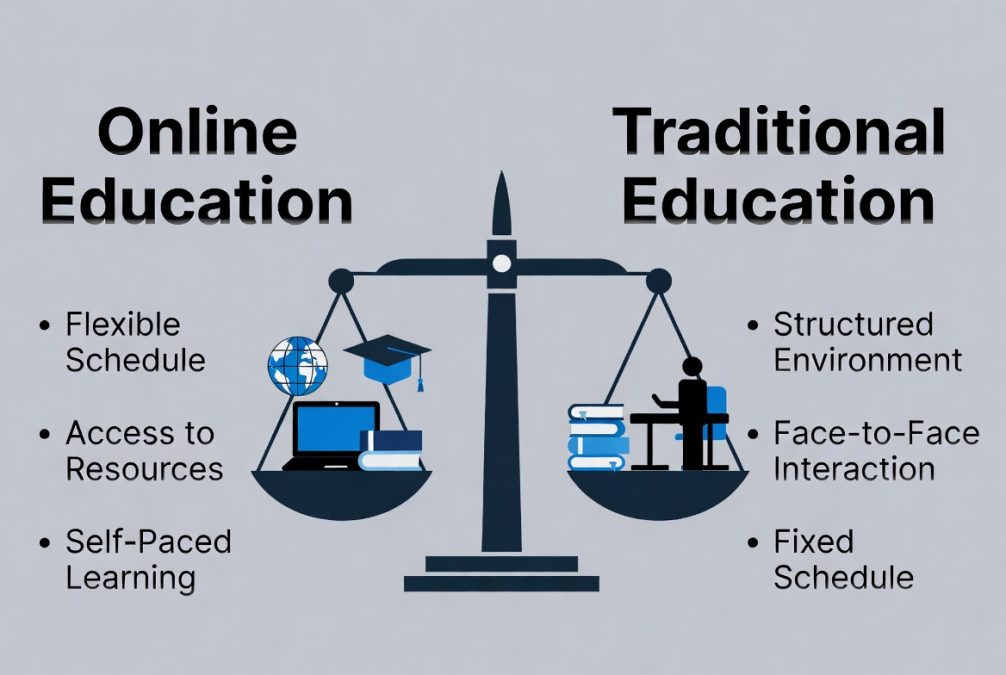
- 📊 Flexibility: Online learning offers complete flexibility, while traditional education follows strict schedules.
- 💰 Cost: Online education is affordable, whereas traditional education is expensive.
- 🤝 Interaction: Traditional education provides better social interaction.
- 📜 Recognition: Traditional degrees are more widely accepted.
- 🎯 Skill Development: Online education focuses on practical, job-ready skills.
🧠 Which Education System is Better?
The answer depends on your goals:
- 🎯 Choose Online Education: If you want flexibility, affordability, and skill-based learning.
- 🎯 Choose Traditional Education: If you need a recognized degree and structured environment.
🔥 Conclusion: The Smart Choice in 2026
In 2026, the best approach is not choosing one over the other—but combining both.
👉 Hybrid learning is the future.
By combining traditional education with online skill development, students can gain both academic qualifications and practical expertise.
❓ FAQs (SEO Optimized for Google, Bing, Baidu & Yandex)
❓ Is online education better than traditional education?
Online education is better for flexibility and affordability, while traditional education is better for structured learning and recognized degrees. The best choice depends on individual goals.
❓ Do employers accept online courses in 2026?
Yes, many employers now accept online certifications, especially for skill-based roles. However, traditional degrees are still important for certain professions.
❓ Which is cheaper: online or traditional education?
Online education is significantly cheaper because it eliminates costs like travel, accommodation, and campus fees.
❓ Can online education replace traditional education?
Online education cannot fully replace traditional education, especially in fields requiring practical training. However, it is becoming a strong alternative.
❓ What is the future of education?
The future of education is hybrid learning, combining online and traditional methods for better flexibility and effectiveness.