Top Advantages and Disadvantages of Online Learning
🌍📘 Introduction: The Rise of Online Learning
Advantages and disadvantages of online learning are among the most important factors students consider before choosing digital education in 2026. With the rapid growth of e-learning platforms across the United States and Europe, online education has become a mainstream option for students, professionals, and lifelong learners.
From flexible schedules to global accessibility, online learning offers powerful benefits. However, it also comes with challenges like lack of motivation, limited interaction, and dependence on technology.
Understanding the advantages and disadvantages of online learning helps you make informed decisions about your education, career, and skill development in today’s digital world.
✅✨ Top Advantages of Online Learning
🕒📱 1. Flexibility and Time Freedom
✔ Flexibility in learning schedule:
Online learning provides unmatched flexibility, allowing students to learn at any time of the day without being tied to fixed classroom hours.
👉 Explanation:
This flexibility is especially useful for working professionals and international students in the USA and Europe. Learners can balance work, family, and education without stress.
It eliminates the pressure of attendance timing and allows self-paced study, improving long-term understanding.
Students can pause, replay, and review lessons anytime.
This helps slow learners grasp complex topics effectively.
It supports global learners across different time zones.
It reduces burnout caused by rigid schedules.
It improves work-life-study balance significantly.

🌍🎓 2. Global Access to Education
✔ Worldwide learning opportunities:
Online education allows students to access universities, instructors, and courses from anywhere in the world.
👉 Explanation:
A student in Europe can take courses from a US university without relocating. This global accessibility increases educational equality.
It breaks geographical barriers that once limited learning opportunities.
Students can choose from elite institutions worldwide.
It promotes cultural exchange among learners.
It enhances global networking opportunities.
It gives access to international certifications.
It improves career competitiveness globally.

💰📊 3. Cost-Effective Education System
✔ Affordable learning model:
Online learning is generally cheaper than traditional education systems.
👉 Explanation:
Students save money on transportation, accommodation, and campus fees. Many online platforms also offer free or low-cost courses.
This makes education more accessible to middle and lower-income learners.
It reduces student debt burden significantly.
It eliminates relocation costs.
It provides free learning resources online.
It allows learning multiple skills at low cost.
It supports lifelong education affordability.
It is ideal for budget-conscious students.

📚💻 4. Wide Range of Learning Courses
✔ Unlimited subject choices:
Online platforms offer thousands of courses across multiple fields.
👉 Explanation:
From technology to business, healthcare, and creative arts, learners can explore any subject they want.
It allows career switching without formal enrollment.
It supports niche skill development.
It provides updated industry-relevant courses.
It enables micro-learning opportunities.
It helps learners build multiple skill sets.
It supports continuous professional development.
It encourages curiosity-based learning.
⏱️🧠 5. Self-Paced Learning Experience
✔ Personalized speed control:
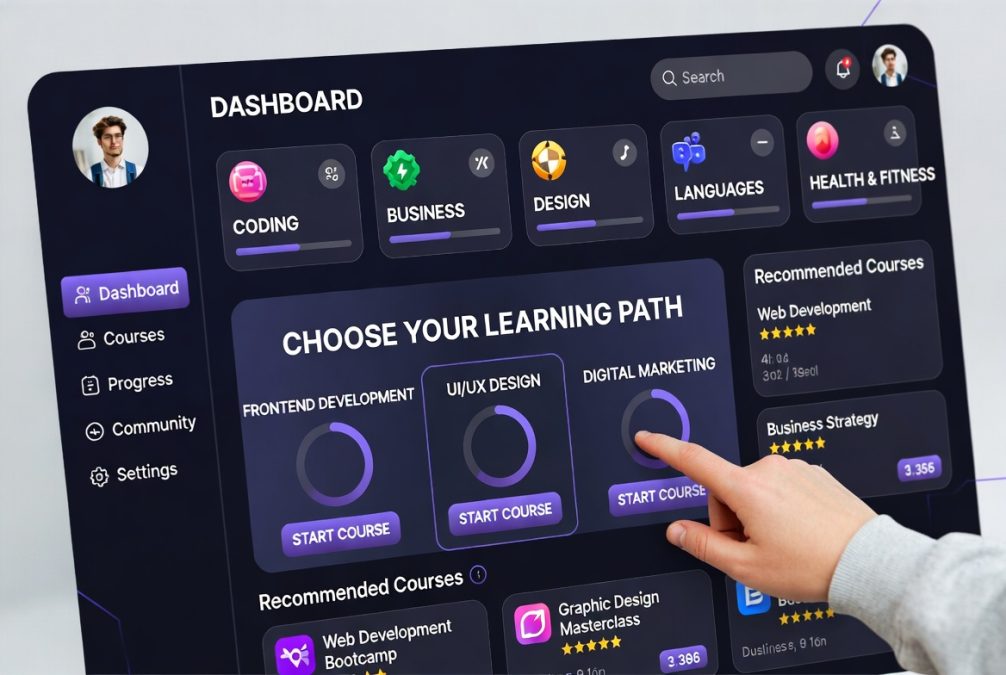
Online education allows learners to study at their own speed.
👉 Explanation:
This is one of the strongest benefits for students who struggle in traditional classrooms.
They can repeat lessons until they fully understand concepts.
Fast learners can skip repetitive content.
It improves retention and understanding.
It reduces learning pressure.
It supports different cognitive abilities.
It enhances independent learning habits.
It increases confidence in students.

🧑💻📈 6. Development of Digital Skills
✔ Technology-driven learning:
Online learning improves essential digital skills required in modern jobs.
👉 Explanation:
Students naturally learn to use digital tools, video conferencing platforms, and productivity software.
These skills are essential in US and European job markets.
It improves technical literacy.
It enhances communication skills online.
It builds remote work readiness.
It increases employability.
It supports modern workplace adaptation.
It prepares learners for AI-driven industries.

🏠🧘 7. Comfortable Learning Environment
✔ Stress-free study conditions:
Online learning allows students to study in their own comfortable environment.
👉 Explanation:
Learners can study from home, cafes, or anywhere suitable.
This reduces anxiety compared to traditional classrooms.
It improves mental comfort.
It supports introverted learners.
It allows personalized study setups.
It increases focus for some learners.
It eliminates classroom distractions.
It creates emotional learning comfort.

❌⚠️ Top Disadvantages of Online Learning
😴📉 1. Lack of Motivation and Discipline
✔ Self-control challenges:
Online learning requires strong personal discipline.
👉 Explanation:
Many students struggle with procrastination because there is no strict classroom supervision.
This leads to incomplete courses and poor performance.
It reduces consistency in learning.
It increases distraction risks.
It requires strong time management.
It affects long-term success rates.
It demands high self-responsibility.
It is not suitable for unmotivated learners.

🤝📵 2. Limited Social Interaction
✔ Reduced human connection:
Online learning limits face-to-face interaction with peers and teachers.
👉 Explanation:
Students may feel isolated compared to traditional classrooms.
Networking opportunities are also reduced.
It decreases group collaboration.
It affects communication skills development.
It reduces campus experience.
It limits friendship building.
It weakens classroom engagement.
It creates learning loneliness in some cases.

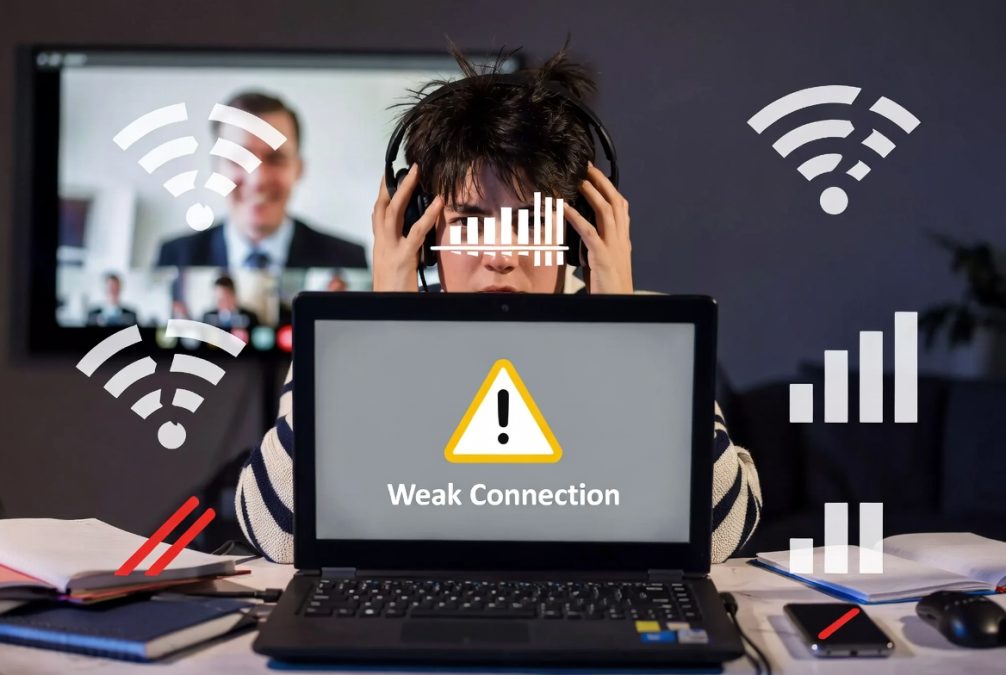
📶💻 3. Dependence on Technology
✔ Technology-based limitations:
Online learning fully depends on internet and digital devices.
👉 Explanation:
Poor internet connection can interrupt classes.
Device failures can delay learning.
It creates accessibility issues in rural areas.
It increases technical frustration.
It requires stable electricity and hardware.
It may exclude low-income students.
It demands technical knowledge.
It creates learning interruptions.
🧠📵 4. Difficulty in Focus and Attention
✔ Distraction-heavy environment:
Online learning often competes with digital distractions.
👉 Explanation:
Social media, notifications, and home environment distractions reduce concentration.
It lowers productivity levels.
It increases multitasking behavior.
It reduces deep learning ability.
It affects memory retention.
It causes learning inconsistency.
It requires strong self-control.
It impacts academic performance.

🧪🔬 5. Lack of Practical Training
✔ Limited hands-on experience:
Some subjects require physical practice which online learning cannot fully provide.
👉 Explanation:
Fields like medicine, engineering, and laboratory sciences need real-world training.
Virtual simulations cannot replace real experience.
It limits skill perfection.
It reduces hands-on exposure.
It affects technical accuracy.
It delays professional readiness.
It creates learning gaps.
It reduces practical confidence.

🧑🏫📉 6. Limited Teacher Interaction
✔ Reduced direct guidance:
Online platforms often lack instant teacher support.
👉 Explanation:
Students may face delays in resolving doubts.
It reduces personalized feedback.
It affects learning speed.
It weakens mentorship quality.
It reduces classroom engagement.
It limits emotional support.
It increases confusion in complex topics.
It affects academic clarity.

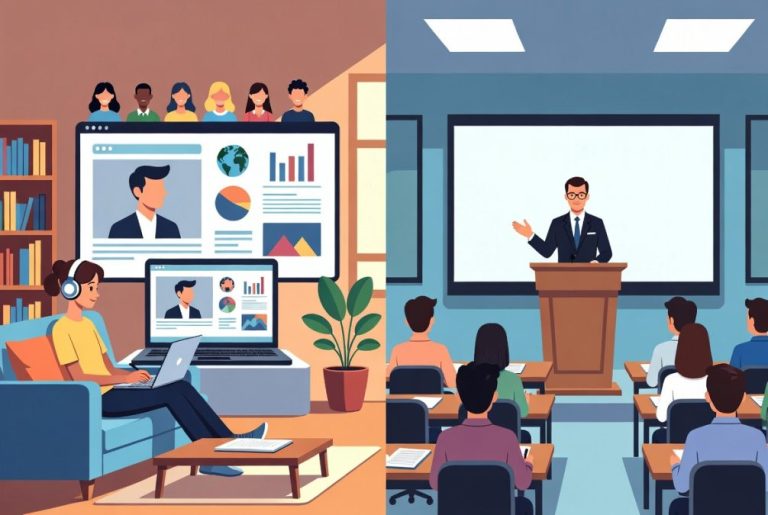
⚖️📊 Online Learning vs Traditional Learning (Semantic Comparison)
Online learning focuses on flexibility, independence, and accessibility, while traditional learning focuses on structure, discipline, and face-to-face interaction.
Both systems serve different learning styles and career needs. In modern education systems in the USA and Europe, hybrid models are becoming increasingly popular, combining both methods for better results.
🌟📌 Conclusion
Online learning is a revolutionary educational model that has reshaped global education systems. It provides flexibility, affordability, and global access to knowledge. However, it also requires strong discipline, self-motivation, and proper technology access.
For students in the USA and Europe, online learning is a powerful tool for skill development and career growth if used correctly.
❓📚 FAQs
❓ What is online learning?
Online learning is a digital education system where students study using internet-based platforms instead of physical classrooms.
❓ Is online learning effective?
Yes, online learning is effective when students are disciplined and use structured learning methods.
❓ What are the main advantages of online learning?
The main advantages include flexibility, cost savings, global access, and self-paced learning.
❓ What are the disadvantages of online learning?
Disadvantages include lack of motivation, limited interaction, technical issues, and reduced practical training.
❓ Is online learning better than traditional learning?
It depends on the learner’s needs. Online learning is better for flexibility, while traditional learning is better for structure.
❓ Who benefits most from online learning?
Working professionals, international students, and self-motivated learners benefit the most.