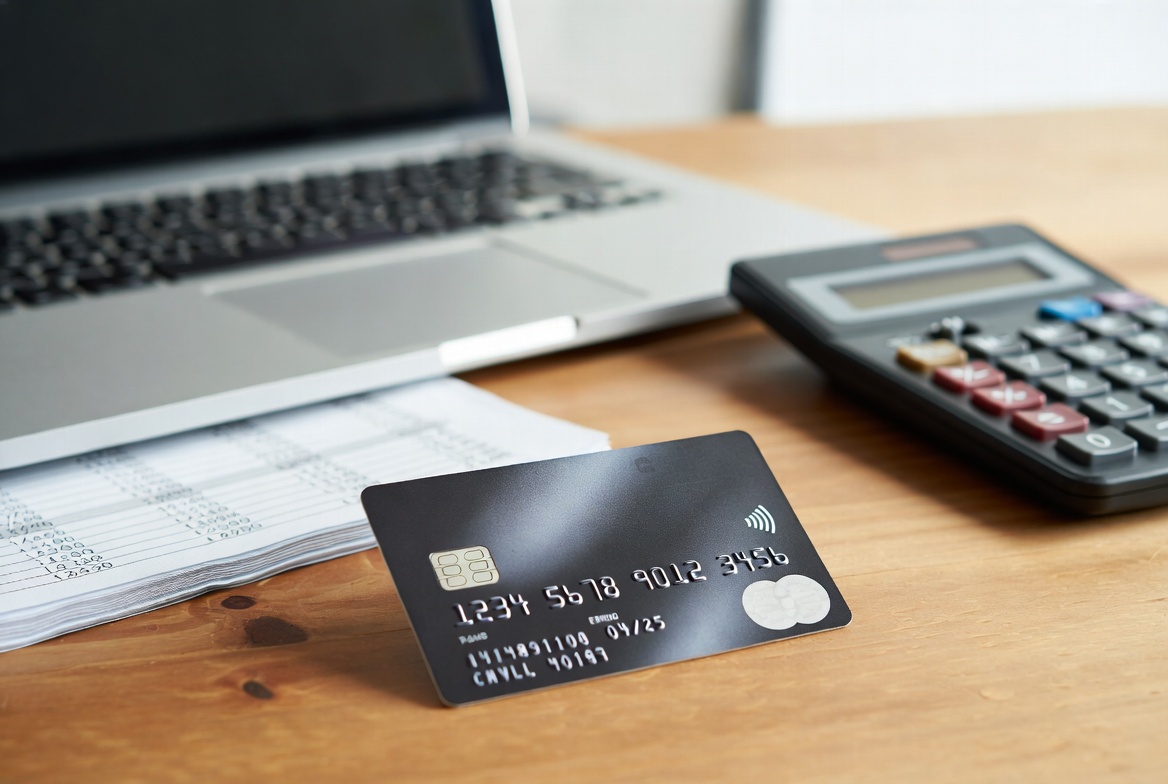
Introduction: Understanding Credit Cards
A credit card is a financial tool that allows individuals to make purchases on credit, providing a line of borrowing from a bank or financial institution. Unlike debit cards, which withdraw funds directly from your bank account, credit cards allow you to borrow money up to a pre-approved limit and repay it later.
Credit cards are widely used in American and European markets for everyday spending, online shopping, travel bookings, and more. Using them wisely can help build credit, earn rewards, and ensure financial security.
What is a Credit Card?
A credit card is essentially a borrowing tool that provides access to funds from a bank or financial institution up to a specific credit limit. The borrowed money can be used for purchases, bill payments, or cash withdrawals. Unlike cash or debit cards, the repayment of the borrowed amount can be deferred, often with interest if the balance is not cleared within the billing cycle.
Key Points:
- Borrowing Capacity: : Your card allows borrowing up to a pre-approved limit, which depends on your income and creditworthiness. This provides flexibility for both small and large purchases.
- Deferred Payments: : You can choose to pay off your balance in full or in installments. Paying in full helps avoid interest charges, while partial payments incur interest.
- Global Acceptance: : Credit cards are accepted worldwide, making them convenient for international travel and online shopping.
2. How Do Credit Cards Work?
Credit cards operate on a borrow-and-repay system. Here’s a step-by-step explanation:
- Card Issuance: : Apply for a card with a bank or financial institution. Once approved, the card comes with a set credit limit.
- Making Purchases: : Use the card for online or offline purchases. The bank pays the merchant on your behalf.
- Billing Cycle: : Each month, the bank sends a statement detailing all transactions, balance, minimum payment, and due date.
- Payment: : You can pay the total balance to avoid interest or pay the minimum and carry forward the balance.
- Interest Charges: : Any unpaid balance accrues interest, usually calculated monthly based on the APR (Annual Percentage Rate).
Image Prompt:
“illustration of credit card usage process: purchase, billing cycle, repayment, interest, high resolution, infographic style”
Image Name: credit_card_process
Alt Name: Credit card usage and repayment process

📂 3. Types of Credit Cards in 2026
Credit cards come in multiple types, designed for different financial needs.
3.1 Standard Credit Cards
- Purpose: : Ideal for everyday purchases and simple financial management.
- Features: : Lower fees, basic rewards, and essential security features.
- Example: : A standard card that earns 1% cashback on all purchases.
3.2 Rewards Credit Cards
- Purpose: : Designed to offer points, miles, or cashback.
- Features: : Earn rewards on categories like groceries, travel, or dining.
- Example: : Earn 3 points per $1 spent on dining and 1 point on other purchases.
3.3 Premium Credit Cards
- Purpose: : Targeted at high-spending individuals seeking luxury perks.
- Features: : Airport lounge access, concierge services, higher rewards, travel insurance.
- Example: : A card with 5x points on flights and luxury hotel stays.
3.4 Secured Credit Cards
- Purpose: : Help build or rebuild credit for people with low credit scores.
- Features: : Requires a security deposit as collateral, which becomes your credit limit.
- Example: : Deposit $500 and get a $500 secured credit card.
3.5 Business Credit Cards
- Purpose: : Designed for business owners to manage expenses efficiently.
- Features: : Track expenses, offer business-specific rewards, separate personal and business finances.
- Example: : Earn 2% cashback on office supplies and 1% on other business purchases.
3.6 Student Credit Cards
- Purpose: : Help students build credit responsibly.
- Features: : Low credit limits, no annual fees, rewards for responsible usage.
- Example: : Earn points for good academic performance or maintaining on-time payments.

✨ 4. Key Features of Credit Cards
Credit Limit
- Explanation: : This is the maximum amount you can borrow. High credit limits provide flexibility, but overspending can lead to debt. Always maintain usage below 30% of the limit to protect your credit score.
Interest Rate (APR)
- Explanation: : The Annual Percentage Rate determines the interest charged on unpaid balances. A lower APR is better if you plan to carry a balance. High APR cards should only be used for short-term credit.
Billing Cycle
- Explanation: : Typically 30 days, this cycle determines when your payments are due. Knowing the billing cycle helps plan repayments and avoid interest.
Grace Period
- Explanation: : A period where no interest is charged if the balance is paid in full. Always try to pay before the grace period ends.
Rewards Program
- Explanation: : Earn points, cashback, or miles with purchases. Rewards programs are an effective way to get value from everyday spending.
Security Features
- Explanation: : Includes EMV chips, PIN codes, and contactless payment options. Security features protect against fraud and unauthorized transactions.
✅ 5. Benefits of Using a Credit Card
Convenience
- Explanation: : Cashless payments, online shopping, and global acceptance make credit cards convenient. You can make purchases anywhere without carrying cash.
Building Credit History
- Explanation: : Responsible usage improves credit score, which is vital for loans, mortgages, or financial credibility.
Rewards & Perks
- Explanation: : Cashback, travel points, discounts, and special offers are common perks. Using cards aligned with your lifestyle maximizes these rewards.
Emergency Funds
- Explanation: : Credit cards provide quick access to funds during emergencies, such as medical needs or travel.
Purchase Protection
- Explanation: : Many cards offer protection for stolen or damaged items, including extended warranties or dispute resolution with merchants.